
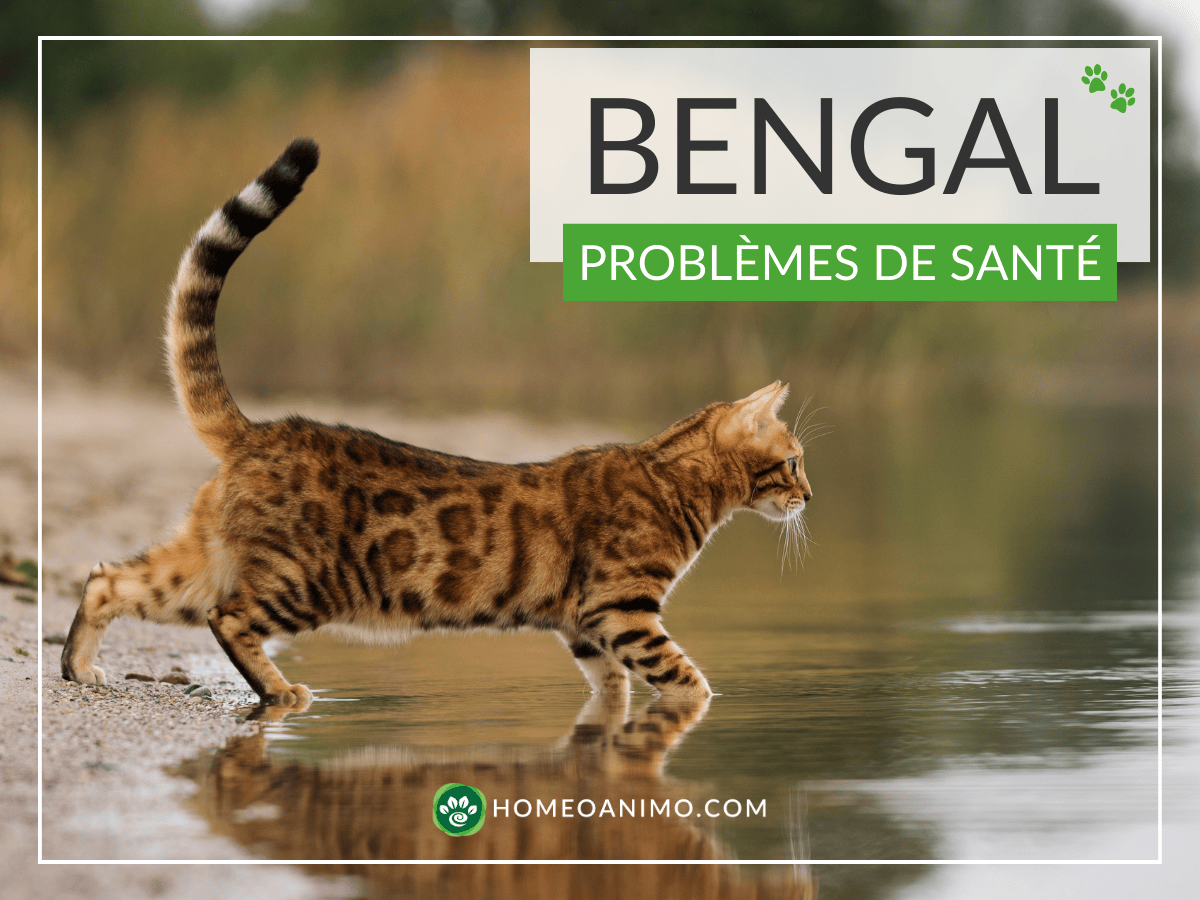
Is Your Bengal Cat at Risk? 4 Common Health Problems
The Bengal cat is a companion bursting with energy and charm, known for its exotic coat and small leopard-like appearance. A descendant of the Asian leopard cat, it inherited its wild appearance while retaining the affectionate temperament of a domestic cat. However, like all breeds, the Bengal cat is predisposed to certain health conditions. As a dedicated owner, understanding these vulnerabilities is the first step in ensuring a long and happy life for your feline friend.
But don't worry, because for each of the health problems below, we have a natural solution for your pet. Get a Free Animal Health Recommandation.
We also invite you to add us to your favorites (by clicking on the ⋮ menu of your browser then on the ★ favorites icon) to always have an expert at hand if your animal develops symptoms.
What are the common health problems in Bengal cats?

Due to their genetics and origins, the Bengal cat is prone to specific diseases. Here are the most common diseases that are important to be aware of.
PROGRESSIVE RETINAL ATROPHY (PRA)
Is progressive retinal atrophy a hereditary disease?
Yes, progressive retinal atrophy is a genetic disease that affects the photoreceptors in the retina, causing progressive vision loss. It eventually leads to blindness. This disease is very common in Bengal cats. According to Antagene, a genetic testing laboratory, approximately 14% of Bengal cats carry the responsible genetic mutation. Blindness usually begins around 2 to 5 months of age.
Symptoms may include loss of night vision first, followed by loss of daytime vision, and the cat may bump into objects, especially in unfamiliar surroundings.
PYRUVATE KINASE DEFICIENCY (PK-DEF)
What is pyruvate kinase deficiency?
PK-Def is a hereditary disease that affects red blood cells, causing their premature destruction and leading to chronic anemia. Although the disease is often intermittent and cats can live relatively normal lives, more severe cases can appear early. According to the LOOF (Official Book of Feline Origins), a 2012 study identified this genetic mutation in Bengals, justifying screening for breeders of the breed.
The most common symptoms include lethargy, weakness, loss of appetite, and pale mucous membranes.
HYPERTROPHIC CARDIOMYOPATHY (HCM)
Is hypertrophic cardiomyopathy a common disease in Bengal cats?
Yes, HCM is an inherited heart disease that causes thickening of the heart muscle. This thickening can make the heart less efficient at pumping blood, which can lead to heart failure or blood clots. A study cited by a French veterinary clinic showed a prevalence of 16.7% in Bengal cats, which is significantly higher than in other breeds.
Symptoms include difficulty breathing, lethargy, lack of appetite, and, in severe cases, sudden paralysis of the hind legs due to a blood clot.
DIGESTIVE AND PARASITIC PROBLEMS
Is my Bengal cat more likely to suffer from digestive problems?
Bengals can have sensitive digestive systems. They are particularly prone to certain parasitic infections such as Trichomonas foetus and Giardia, which can cause chronic diarrhea. Symptoms include persistent diarrhea, loose, and foul-smelling stools, sometimes with blood or mucus. A proper diet and regular veterinary checkups are essential to prevent these problems.

How to take care of your Bengal cat's health on a daily basis?

Prevention and daily care are the best ways to minimize risks. Here are our tips for a healthy Bengal cat:
- Exercise and Enrichment : This is a very active breed! Provide toys, scratching posts, and space to run and jump to maintain a healthy weight and stimulate their mind.
- Quality diet : Feed him a high-quality, protein-rich food appropriate for his activity level. Avoid low-quality foods that can aggravate digestive sensitivities.
- Genetic Screening : If you are considering adopting a Bengal, make sure the breeder has performed genetic testing for HCM, PK-Def, and APR.
- Dental Care : Regular visits to the veterinarian for dental checkups and brushing your teeth at home can help prevent periodontal disease.
- Regular monitoring : Watch for signs of lethargy, difficulty breathing, or changes in behavior, as early detection is key.
A natural solution for your Bengal cat

Among the health problems in Bengal cats, anemia is one of the most common. In addition to regular monitoring, it is essential to support their red blood cells with a natural product. This is where our SangAnimo (Anemia) product comes in.
Have you noticed that your pet seems weak and tired? Have you been told that he has a red blood cell problem?
SangAnimo (Anemia) is a 100% natural homeopathic remedy designed to help maintain a normal red blood cell count. It can also help with cases of anemia. It is easy to administer directly into your pet's mouth or drinking water.
Experience
Page
★ ★ ★ ★ ★
" When I adopted my cat, she had all the symptoms of anemia: loss of appetite, pale gums - even her nose was a dull shade of pink - not too lively at all. She was also quite lethargic and didn't seem at all interested or was simply unable to jump. Now, her nose and gums are a much brighter shade of pink, she jumps on the table and in the bathroom sink to play with the running water and she is also eating much more. She is a senior cat, but I believe this remedy will prolong her life as well as improve the quality of it. "
FAQ - Bengal Cat Health
What is the life expectancy of a Bengal cat?
The average lifespan of a Bengal cat is 12 to 16 years. Paying close attention to preventative care and genetic disease prevention can help increase its longevity.
Is the Bengal cat really a good pet cat?
Yes, despite their wild appearance, Bengals are very affectionate and intelligent cats. They need stimulation and can be trained to perform tricks. Their energetic personality and curiosity make them excellent companions for active families.
Should I have my Bengal cat tested for genetic diseases?
If your cat is bred, the responsible breeder has likely already conducted genetic testing. If you have any doubts, or if your cat has not been tested, genetic testing for HCM, PRA, and PK-Def is recommended, especially if you plan to breed your cat.
Conclusion
The Bengal cat is a fascinating companion, and caring for its health is a rewarding responsibility. By being proactive and understanding the breed's genetic and common diseases, you can protect it and ensure it lives a long and comfortable life. Natural solutions can be a valuable support to guide your cat through any health challenges that may arise.
If you're concerned that your pet may be suffering from a health issue, our Free Animal Health Recommandation can help. In addition to receiving advice and recommendations from our Natural Health Advisors, they'll also guide you through the products and treatment options that best suit your pet's health needs.

 Denyse Lessard




Leave a comment
This site is protected by hCaptcha and the hCaptcha Privacy Policy and Terms of Service apply.