
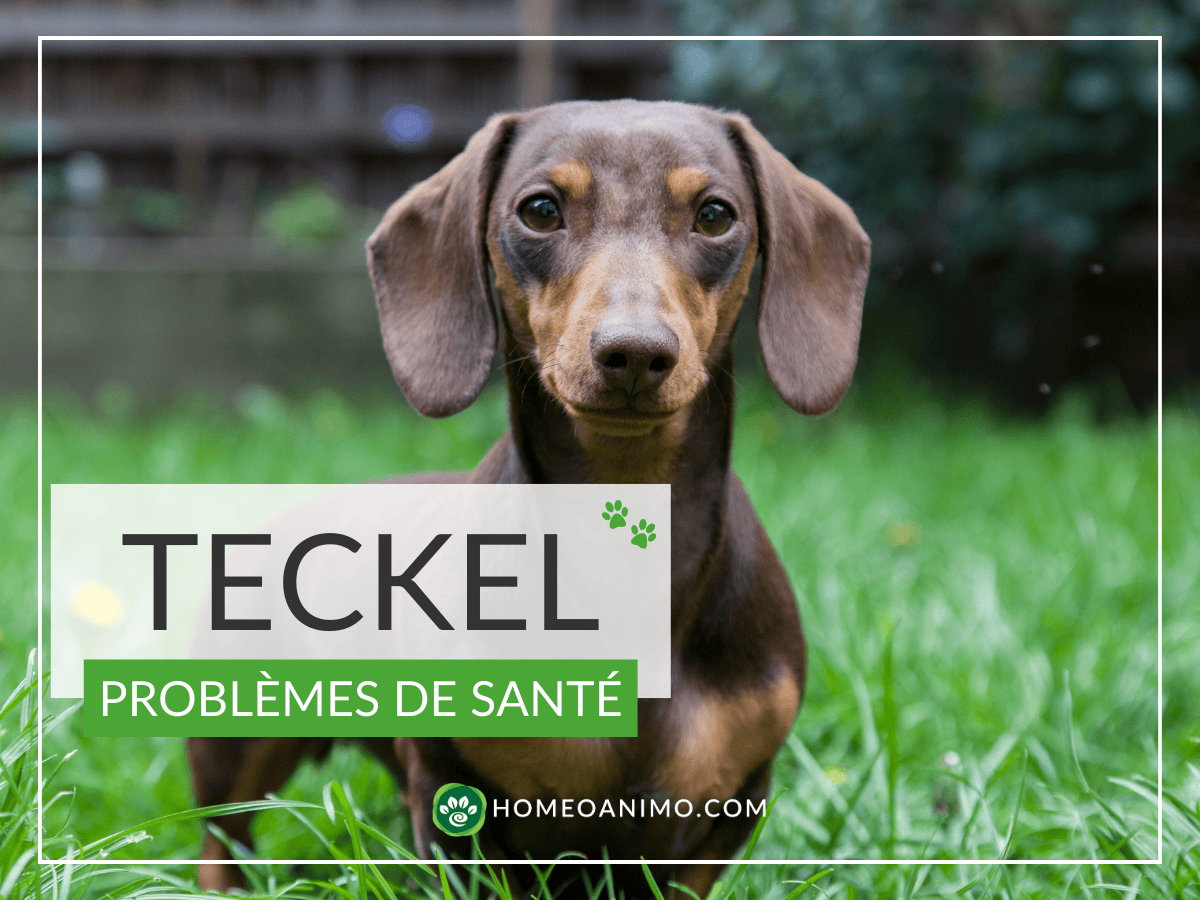
What are the most common health problems in Dachshunds and how can they be avoided?
Known for their distinctive appearance and bold personality, the Dachshund, also known as the sausage dog, is a companion brimming with energy and determination. Despite their small size, these dogs are great explorers with a curious nature and a hunting spirit.
However, as with many breeds with unique morphologies, the Dachshund is predisposed to specific health problems, mainly related to its spine. As a dedicated owner, understanding these vulnerabilities is essential to ensuring a long and healthy life.
But don't worry, because for each of the health problems below, we have a natural solution for your pet. Get a Free Animal Health Recommendation.
We also invite you to add us to your favorites (by clicking on the ⋮ menu of your browser then on the ★ favorites icon) to always have an expert at hand if your animal develops symptoms.
What are common health problems in Dachshunds?

Due to their long bodies and short legs, Dachshunds are prone to specific conditions. Here are the most common diseases to be aware of.
INTERVERTEBRAL DISC DISEASE (IVDD)
Is my Dachshund more at risk for back problems?
Yes, Dachshunds are particularly vulnerable to intervertebral disc disease (IVDD) due to their genetics and morphology. Their spine is long, and the discs, which act as cushions between the vertebrae, are more prone to displacement or rupture. Dachshunds are the breed most affected by this disease, with a risk 10 to 12 times higher than that of other dogs. In fact, Dachshunds alone account for 40 to 75 percent of all IVDD cases . A herniated disc can be very painful and, in severe cases, can lead to paralysis.
Symptoms may include difficulty moving, moaning or crying out in pain, reluctance to jump or climb stairs, or an unsteady gait.
DENTAL PROBLEMS
Why is my Dachshund so vulnerable to dental problems?
Like other small-jawed breeds, Dachshunds are prone to dental problems. Their narrow mouths can accommodate crowded, misaligned teeth, making it easy for plaque and tartar to build up. According to a study cited by the American Kennel Club , more than 80% of dogs show signs of periodontal disease by the age of 3. This disease, if left untreated, can lead to infections, pain, and tooth loss. Dachshunds are particularly at risk because their teeth are crowded, making cleaning more difficult.
DISLOCATION OF THE PATELLA
Is patellar luxation a hereditary disease?
Yes, patellar luxation is a condition that occurs when the kneecap moves out of its normal position. It is a common hereditary condition in small breeds. It can cause occasional lameness, pain, and difficulty jumping. A study on the prevalence of genetic diseases in Dachshunds showed that this disease is a common orthopedic problem in the breed , highlighting the importance of screening breeding animals.
Patellar dislocation can be prevented or its severity reduced by maintaining a healthy weight and avoiding frequent jumping.
OBESITY
Is my Dachshund more likely to be obese?
Yes, Dachshunds have voracious appetites and are prone to becoming overweight. Their long bodies and short legs aren't designed to support excessive weight. Obesity is a major risk factor for back problems because it puts extra strain on their spine. An article from VCA Animal Hospital points out that obesity can also aggravate conditions like patellar luxation, diabetes, and heart disease. Therefore, it's crucial to monitor your Dachshund's diet and encourage regular exercise.

How to take care of your Dachshund's health on a daily basis?

Prevention and daily care are the best ways to minimize risks. Here are our tips for a healthy Dachshund:
- Weight control : Carefully monitor his diet and weight gain to avoid aggravating his back problems.
- Spine Care : Prevent your Dachshund from jumping off furniture or climbing stairs. Handrails can be used to protect his back.
- Using a harness : Always choose a harness over a collar for walks to avoid putting pressure on your spine.
- Moderate and Regular Exercise : Regular walks on flat ground help keep your back muscles strong without stressing the spine.
- Dental Care : Regular visits to the veterinarian for dental checkups and brushing your teeth at home can help prevent periodontal disease.
A natural solution for your Dachshund

Among the health problems in Dachshunds, spinal problems are the most common. In addition to daily precautions, it is essential to support their orthopedic health with a natural product. This is where our selection of TraumAnimo (Sprain) products - Gold Selection comes into play.
Have you been told that your pet has weak tendons, ligaments or bones?
TraumAnimo (Sprain) - Gold Selection are 100% natural homeopathic remedies designed to relieve pain, reduce swelling, and strengthen bones, injured muscles, ligaments, and joints. They improve the flexibility and elasticity of body tissues. They are easy to administer directly into your pet's mouth or drinking water.
Experience
Ghislaine
★ ★ ★ ★ ★
“Kindness, attentiveness, love of animals, effective products.... Pure happiness, thank you for existing!”
FAQ - Dachshund Health
What is the life expectancy of a Dachshund?
The average lifespan of a Dachshund is 12 to 16 years. Paying close attention to preventative spinal care and maintaining a healthy weight contribute to its longevity.
Why does my Dachshund scream when I pick him up?
A sudden cry of pain when you pick him up could be a sign of a back problem, such as a herniated disc. It's important to consult a veterinarian for proper diagnosis and treatment. Obesity may be a contributing factor.
Can I let my Dachshund go up and down the stairs?
It is strongly discouraged to allow your Dachshund to go up and down stairs, as this puts excessive strain on their spine. Using handrails or carrying them is the best solution to prevent injuries.
Conclusion
The Dachshund is a full-fledged member of the family, and caring for its health is a rewarding responsibility. By being proactive and understanding the breed's genetic and common diseases, you can protect it and ensure it lives a long and comfortable life. Natural solutions can be a valuable support to guide your little dog through any health challenges that may arise.
If you're concerned that your pet may be suffering from a health issue, our Free Animal Health Recommendation can help. In addition to receiving advice and recommendations from our Natural Health Advisors, they'll also guide you through the products and treatment options that best suit your pet's health needs.

 Denyse Lessard



Leave a comment
This site is protected by hCaptcha and the hCaptcha Privacy Policy and Terms of Service apply.