
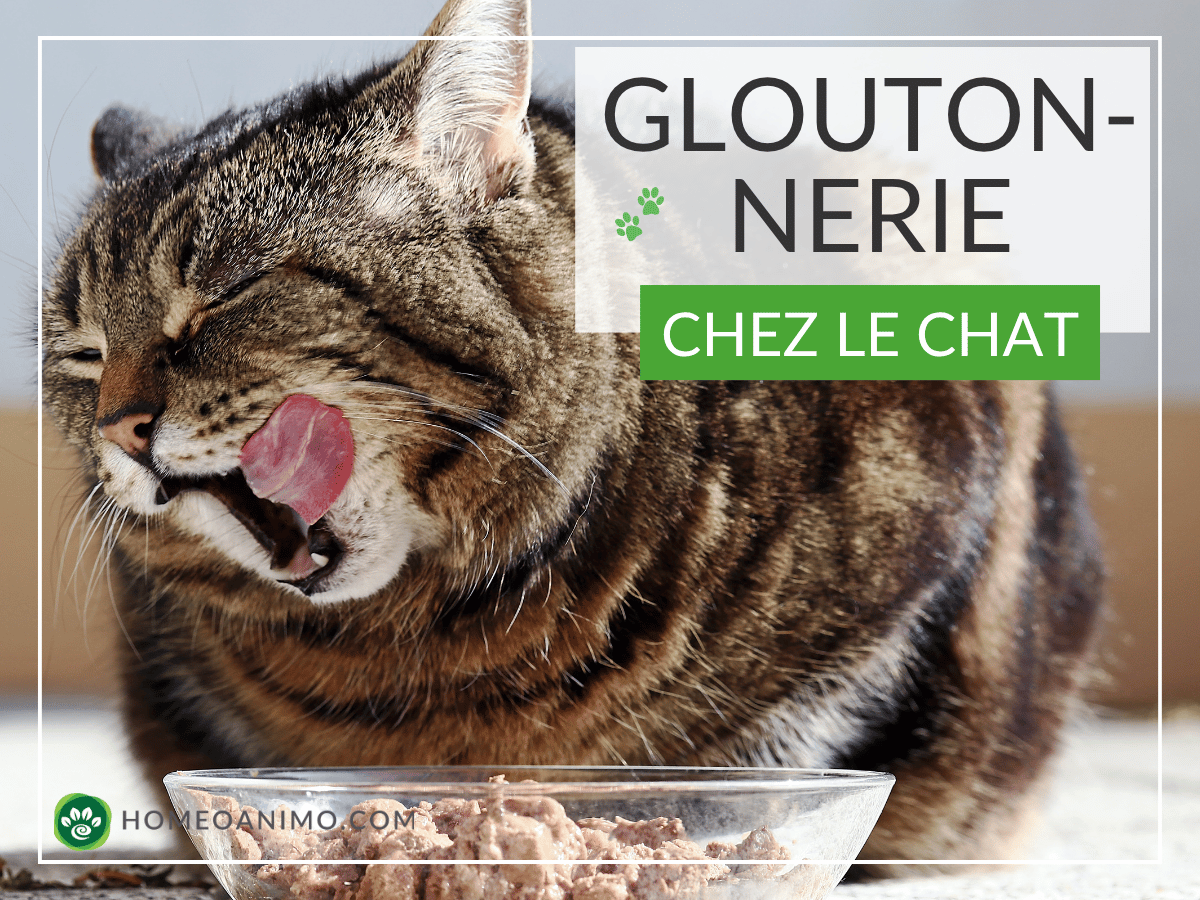
My Cat Eats Too Fast: Understanding and Managing Feline Gluttony
In my daily life as a veterinary assistant, one question comes up very often during consultations: "My cat gulps down its food in thirty seconds, is that normal?" If you find yourself in this situation, know that you are not alone.
Need natural support for your cat's digestion? 👉 Request your free animal health recommendation 🐾
Feline gluttony is a common behavior, but it is never insignificant. It can hide digestive discomfort, a behavioral disorder, or even a health risk in the medium term. Let's take a closer look together.
What is gluttony in cats?
Gluttony refers to a cat swallowing its food very quickly, almost without chewing, and often with a visible form of greed or stress. Contrary to popular belief, it's not just "being a foodie": it's an eating behavior that deserves our attention, as it is frequently accompanied by regurgitation, bloating, or progressive weight gain.
For cats, naturally hunters and grazers, feeding should ideally occur in several small meals throughout the day. A gluttonous cat disrupts this natural rhythm by concentrating all its feeding energy into a very short period.
Why does my cat eat so fast?

Several causes can explain this behavior, and it is important to identify them to act effectively:
- A history of food competition: Cats that have lived in groups (catteries, shelters, large litters) may have learned to eat quickly to avoid having their food "stolen" by their peers. This survival reflex can persist long after adoption.
- Boredom or lack of stimulation: A bored cat often redirects its energy to food, the only "highlight" of its day. Without hunting or play activities, mealtime becomes the sole source of excitement.
- Unsuitable diet: Meals that are too far apart, too large in quantity, or kibble that is not very filling can lead the cat to rush to its bowl in anticipation of hunger.
- An underlying medical cause: Certain pathologies (parasitism, diabetes, hyperthyroidism) can increase appetite. In the event of a sudden change in eating behavior, veterinary advice is always recommended.
What are the risks of eating too quickly?
Eating too quickly is not just a matter of habit; it has real consequences for your companion's health:
- Frequent regurgitation: Air swallowed with food causes reflux a few minutes after the meal.
- Digestive problems: Bloating, gas, intestinal discomfort.
- Weight gain and obesity: The brain doesn't have time to register satiety, which encourages the cat to demand more.
- Chronic stress: Anxiety related to food can spread to other behaviors (excessive meowing, aggression around the food bowl).

How can I get my cat to eat more slowly?

Here are some simple recommendations to implement:
- Enrichment accessories: Interactive cat toys are designed to naturally slow down food intake. Some accessories are designed to respect the cat's natural rhythm, stimulate its hunting instinct, and transform mealtime into a true enrichment activity. This is an ideal solution for:
- Cats who finish their bowl in a few seconds
- Overweight cats needing to slow down their eating pace
- Cats who are bored and need daily mental stimulation
These toys also help prevent addictive behaviors and distribute caloric intake more harmoniously throughout the day.
- Fractionate meals: Opt for 3 to 5 small meals rather than 1 or 2 large portions.
- Avoid food competition: If you have multiple cats, separate their feeding stations.
- Enrich the environment: A wall course, perches, and play areas allow the cat to expend its energy in ways other than eating.
- Monitor weight curve: Monthly weighing helps quickly detect any deviations.
- Consult your veterinarian: In case of a sudden change in appetite, repeated vomiting, or unexplained weight loss/gain.
Frequently Asked Questions (FAQ) about feline gluttony
What is the difference between gluttony, bulimia, hyperphagia, and polyphagia in cats?
Although these terms all refer to a cat that eats a lot or very quickly, their origins are very different:
- Gluttony: This is a behavior. The cat eats very quickly out of habit, competitive instinct, or impatience, but without an underlying metabolic disorder.
- Polyphagia: This is a medical symptom. The cat has a physical increase in appetite caused by an underlying disease (e.g., hyperthyroidism, diabetes mellitus, intestinal parasites). Despite food intake, it often loses weight.
- Hyperphagia: This is the excessive consumption of food over a short period. It can be occasional (e.g., sudden access to very palatable food) or related to environmental stress.
- Bulimia: This is a psychological behavioral disorder, rarer in cats, characterized by an uninterrupted compulsion to eat uncontrollably, often linked to trauma or severe anxiety.
Why does my gluttonous cat vomit right after eating?
This phenomenon is called regurgitation. When a cat gulps down its food too quickly without chewing, the stomach abruptly expands and also absorbs a large amount of air. This excess pressure triggers an almost immediate reflex to reject undigested food.
Does a spayed cat automatically become gluttonous?
Not necessarily gluttonous, but their metabolism changes. After spaying, a cat's energy needs decrease by 20 to 30%, while their appetite tends to increase. Without adjusting portions or providing physical stimulation, this can give the impression that they have become insatiable.
What are the long-term risks if my cat continues to eat too fast?
In addition to frequent regurgitation, uncontrolled gluttony promotes overweight and obesity, which increase the risks of diabetes, joint problems (osteoarthritis), and liver disorders (such as hepatic lipidosis). Furthermore, repeated air ingestion can cause chronic digestive discomforts.
When should I be concerned and consult a veterinarian?
You should consult if gluttony appears suddenly in a cat that previously ate normally, if it is accompanied by rapid weight loss despite a large appetite, or if you observe other symptoms such as lethargy, frequent vomiting of bile, or increased thirst.
In summary
Feline gluttony is not inevitable: it is most often a sign of an unmet need, whether dietary, behavioral, or environmental. By observing your cat, adapting its environment with enriching accessories, and liaising with your veterinarian if necessary, you can transform every meal into a moment of well-being rather than a race against time.
Scientific sources and references:






Leave a comment
This site is protected by hCaptcha and the hCaptcha Privacy Policy and Terms of Service apply.