
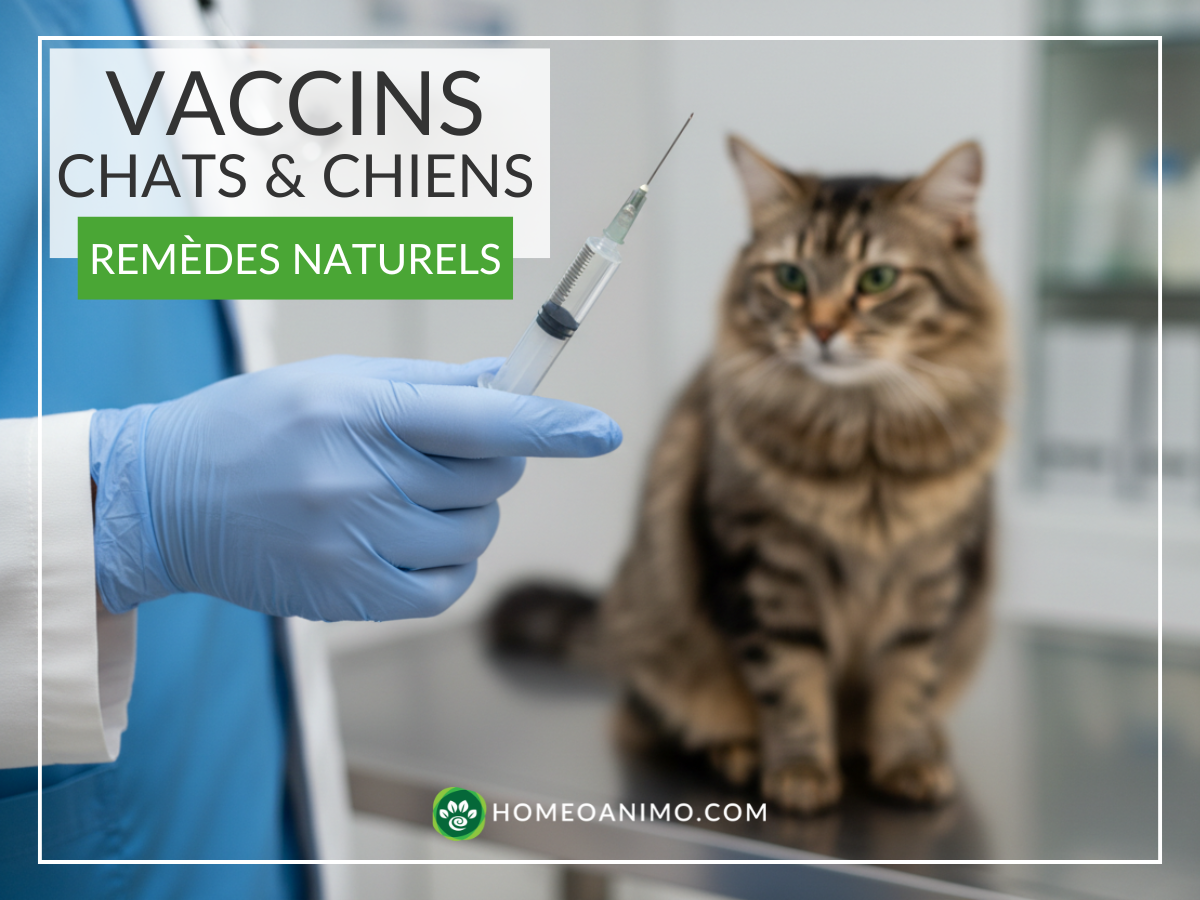
Cat and Dog Vaccines: Complete Guide and Natural Remedies
Vaccinating dogs and cats is a topic that is sparking more and more debate and questions among pet owners. Between the desire to protect your companion from deadly diseases and the concern about potential long-term effects, how do you navigate it all?
Click to learn more: 👉 Support your pet's RECOVERY after a VACCINE with our NATURAL product 🐶😻
Whatever your position, your pet's health remains the priority, and we are here to support you. This article aims to be a complete guide to explore the different facets of animal immunization.
Why is vaccination so widespread?
The majority of veterinarians and health organizations, such as the American Veterinary Medical Association (AVMA), recommend vaccination to prevent serious viral and bacterial diseases.
The main argument is protection against serious pathologies such as rabies, parvovirus in dogs, or feline distemper (panleukopenia) in cats.
Vaccination also helps maintain "herd immunity," reducing the circulation of pathogens in dog parks, shelters, or grooming salons.
It may be required by law in some regions, or for traveling with your companion.
Are there dangers or side effects?

Like any medical procedure, vaccine injection is not without consequences. Although severe reactions are relatively rare, they do exist and concern many owners. Generally, we distinguish between:
- Mild reactions: Fatigue, loss of appetite, or a lump at the injection site.
- Allergic reactions: Anaphylactic shock, facial swelling, or hives.
- Long-term concerns: Some researchers and holistic veterinarians are studying the possible link between over-vaccination and autoimmune diseases or fibrosarcomas at the injection site (particularly in cats).
At HomeoAnimo, we have often been contacted by concerned owners after observing certain adverse effects in their animals.
These can range from simple itching to more serious reactions such as digestive disorders, hyperactivity, epilepsy, or even lymphoma.
As an owner, it is important to weigh the pros and cons carefully, and especially to listen to the signals your animal may send after vaccination.
How often should you vaccinate your pet?
The debate also concerns the frequency of vaccination. Protocols are evolving. Previously annual, many boosters are now recommended every three years by experts such as those from WSAVA (World Small Animal Veterinary Association).
An increasingly popular alternative is the titre test. This is a blood test that measures the animal's actual antibody level to check if it is still protected before deciding on a new booster.
How to help your pet after vaccination?

If you choose to vaccinate your pet, the 24 to 48 hours following the injection are crucial. Your companion's body works intensely to create an immune response, which can generate physiological stress. Here's how to support them best:
1. Create a recovery area
Even if your cat or dog seems fine after leaving the clinic, prioritize calm. Avoid long walks, intense training sessions, or new visitors to the house. A metabolism that is fighting a pathogen (even an attenuated one) needs to conserve its energy.
2. Careful monitoring of clinical signs
It's normal for your pet to be a little "slow." However, stay vigilant for the following signs:
- The injection site: A slight tenderness or a lump may appear. If it persists for more than three weeks or increases in size, consult your veterinarian.
- Temperature: A slight fever is possible. If your pet seems burning hot or refuses to move, medical advice is necessary.
- Eating behavior: Loss of appetite for one meal is acceptable, but the animal must continue to hydrate.
3. Reduce post-visit stress
A visit to the veterinarian is often a source of anxiety. Stress releases cortisol, which can interfere with a healthy immune response. Use pheromone diffusers or calming herbs to help your companion "de-stress" once back home.

What natural remedies for optimal recovery?

Many cat or dog owners turn to holistic medicine to help the body process the information contained in the vaccine while minimizing the toxic load of adjuvants (such as aluminum or mercury sometimes present). Here are the most effective approaches:
1. Milk Thistle (Silybum marianum): The liver's shield
The liver is your pet's toxin processing plant. During vaccination, it must filter vaccine components for elimination. Milk Thistle contains silymarin, a powerful compound that:
- Protects liver cells against oxidative damage.
- Promotes protein synthesis to help the liver regenerate.
- Helps eliminate accumulated heavy metals.
Note: It is often recommended to start a course of Milk Thistle a few days before the vet appointment and continue for about ten days afterward.
2. Probiotics: Supporting intestinal immunity
Did you know that 70 to 80% of your pet's immune system is in their gut? Vaccination can sometimes disrupt the microbiota. Providing quality probiotics to your cat or dog after a vaccine helps to:
- Maintain a strong intestinal barrier.
- Support natural antibody production.
- Prevent digestive disorders related to the stress of the vet visit.
3. Green Clay: For local reactions
If a small inflammation appears at the injection site, green clay is miraculous. Applied as a poultice (on healthy, unbroken skin), it "draws out" impurities and reduces local heat thanks to its remineralizing minerals and unique absorbent power.
What is the best solution for detoxification?

REAL Experience
Marie (France)
★★★★★
Very effective vaccine detox
Delighted that our little dog H'opï is no longer coughing following an allergic reaction to the rabies vaccine. Thank you for all your invaluable advice for the well-being of our little animals 🙏🌸💕
Watch our video
FAQ - Your common questions
Should my indoor pet be vaccinated?
Even if they don't go outside, some viruses can be carried in on your shoes or by other animals. The law may also require it (rabies) in some regions or when traveling.
What is a normal vaccine reaction?
Slight lethargy or tenderness at the injection site for 24 hours is considered normal. Beyond that, or in case of vomiting, contact a professional.
Can I refuse certain vaccines?
Every owner is free to discuss the protocol with their veterinarian to adapt the protection according to the animal's actual lifestyle (indoor vs. outdoor, hunting, guarding, etc.).
Conclusion
The decision to vaccinate or not is a personal choice that should be based on an assessment of real risks (living environment, age, health status). Whether following the classic protocol or opting for a more spaced approach with titre tests, the important thing is to provide your pet with the tools necessary to maintain their immune balance, notably thanks to natural detoxification solutions.
Need further clarification for your dog or cat? Get a Free Animal Health Recommendation to support your companion in a personalized way.

 Denyse Lessard



Leave a comment
This site is protected by hCaptcha and the hCaptcha Privacy Policy and Terms of Service apply.