
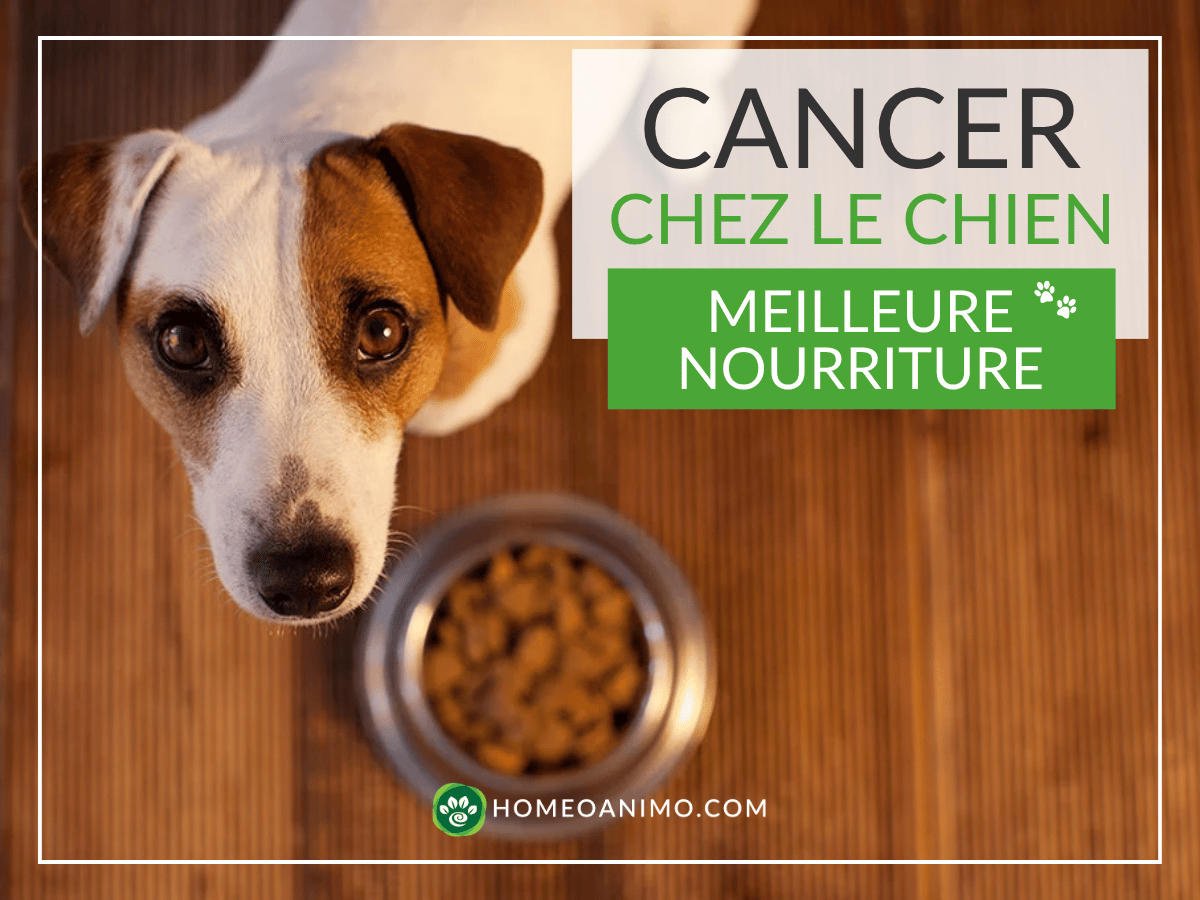
Learning that your dog has cancer is undoubtedly one of the most dreaded experiences for pet parents. At HomeoAnimo™, we understand the shock, worry, and many questions that arise with such a diagnosis. While medical treatments are paramount, there is a powerful ally over which you have direct daily control: your dog's diet.
Veterinary oncology nutrition has evolved considerably. Properly feeding a dog with tumors does not cure cancer alone, but it helps maintain muscle mass, support the immune system, and greatly improve quality of life. Some foods can even help prevent cancer from developing. By adopting the right dietary habits, you become a key player in your pet's well-being.
In this article, we will answer the most frequently asked questions about the best diet for a dog with cancer, demystify some beliefs, and guide you towards a holistic and natural approach. You can refer to our complete guide to dog cancer for more details on the disease, its different forms, and possible treatments.
Summary
- 1. Why is diet so crucial in the face of cancer?
- 2. Should carbohydrates really be banned to "starve" the tumor?
- 3. Key nutrients: which proteins, fats, and antioxidants to favor?
- 4. Commercial kibble vs. Homemade food: what are the limitations?
- 5. Example of a homemade recipe for a dog with cancer (Typical plate)
- 6. Why avoid raw food (BARF) during treatments?
- 7. Natural support and holistic approach with PiptoAnimo
- 8. Frequently Asked Questions (FAQ)
- 9. Conclusion
- 10. External sources and references
1. Why is diet so crucial in the face of cancer?
When a dog develops cancer, its metabolism undergoes profound changes. Cancer cells hijack the animal's energy for their own growth. According to the Flint Animal Cancer Center at Colorado State University, this energy diversion can lead to cancer cachexia, a syndrome characterized by severe weight loss and muscle wasting, even if the dog continues to eat normal portions.
The goal of a cancer-adapted diet is therefore twofold: to feed the dog, without feeding the tumor, while reducing overall inflammation in the body.
2. Should carbohydrates really be banned to "starve" the tumor?
This is one of the most common recommendations. Rapidly growing tumor cells preferentially use glucose (sugar) as an energy source (Warburg effect). In contrast, tumors have much more difficulty using fats and proteins to grow.
The clinical nutrition service at Tufts University (Petfoodology) emphasizes that it is wise to limit simple and easily digestible carbohydrates in the diet of a cancerous dog. Reducing starch intake helps prevent blood sugar spikes that indirectly fuel tumor metabolism.
3. Key nutrients: which proteins, fats, and antioxidants to favor?

1) Highly digestible proteins to counter muscle loss
To combat muscle wasting, your dog needs proteins of very high biological value (cooked meat, turkey, eggs). Organs like the liver and kidneys, sometimes weakened by disease or treatment, will have a much easier time assimilating high-quality noble protein rather than low-quality animal by-products.
2) The power of Omega-3s (EPA and DHA) against inflammation
The addition of essential marine-derived fatty acids is fundamental. Work published in the Journal of Veterinary Internal Medicine (JVIM) demonstrates that Omega-3s (particularly EPA and DHA from fish oil) possess powerful anti-inflammatory properties. They help curb cachexia while supporting the body during treatments.
3) Antioxidants and lycopene: how to use them properly?
Lycopene is a major antioxidant known for its cellular protection. It is found in abundance in certain fruits and vegetables, but their use must be adjusted to respect a low-sugar diet:
- Ripe red tomato (cooked): This is the best option. Very low in sugar, it fits perfectly into an anti-cancer diet. Once lightly cooked with a drop of fat, its lycopene becomes highly assimilable. Caution: use only the bright red flesh. Never give stems, leaves, or green parts (which contain toxic solanine).
- Watermelon: Although it is very rich in lycopene and very refreshing, it contains natural sugars (fructose). Offer it only as an occasional treat and in very small quantities without seeds or rind.
Note: If your dog is undergoing chemotherapy or radiation therapy, avoid high doses of synthetic antioxidant supplements, as they could interfere with the effectiveness of medical treatment. Favor natural food sources.
4. Commercial kibble vs. Homemade food: what are the limitations?
Many owners wonder if they should keep their dog's usual kibble. Standard commercial diets (sold in supermarkets or pet stores) often contain high levels of carbohydrates and starch (necessary for the kibble extrusion process). This is the main weakness of industrial feed when it comes to cancer.
However, making food for a sick dog yourself is a demanding task. It is not enough to mix meat and rice: an unbalanced homemade meal can create serious mineral deficiencies (calcium, phosphorus) and further weaken the animal.
Some specialized veterinary oncology ranges offer kibble formulated to reduce carbohydrates and increase omega-3s. If you prefer to cook at home to maximize palatability, you must follow a strict recipe enriched with a mineral and vitamin supplement (MVS).

5. Example of a homemade recipe for a dog with cancer (Typical plate)

If you choose the cooked home-ration option, the goal is to achieve a high intake of noble proteins and good fats, while keeping carbohydrates very low.
⚠️ Important warning:
The proportions below are presented as an example of a low-carb plate. Since each type of tumor and each dog has unique metabolic needs, always have your companion's menu validated by your veterinarian or a canine nutritionist.
Ingredients for a typical plate (to be adjusted according to the animal's weight):
- 500 g ground beef (15% fat) or turkey: To provide high-quality protein and metabolic energy.
- 1 to 2 cooked whole eggs: Excellent source of essential amino acids.
- 200 g low-carb vegetables (steamed): Zucchini, broccoli, or spinach (rich in gentle fiber and antioxidants). You can also include a little cooked red tomato flesh.
- 1 to 2 tablespoons fish oil (salmon, sardine): Direct source of essential EPA and DHA fatty acids.
- A mineral and vitamin supplement (MVS): Essential to provide calcium and trace elements absent from pure meat. **Dosage to be confirmed with your veterinary nutritionist.
Preparation:
- Lightly cook the meat and vegetables by steaming to facilitate digestion while preserving nutrients.
- Let the mixture cool before incorporating the fish oil and vitamin supplement (heat alters the quality of Omega-3s).
- Serve at room temperature to enhance aromas and stimulate your dog's appetite.
6. Why avoid raw food (BARF) during treatments?
While raw food (BARF) has many adherents for healthy animals, it is strongly discouraged for a dog with cancer undergoing medical treatment.
The American Veterinary Medical Association (AVMA) reminds that oncological treatments (chemotherapy, radiation therapy) often lead to immunosuppression. With weakened immune defenses, the dog is very vulnerable to bacteria that may be present in raw meat (Salmonella, E. coli). Always prefer lightly cooked foods.
8. Frequently Asked Questions (FAQ)
What if my dog with cancer refuses to eat?
Loss of appetite is common. Lightly warming its cooked food to enhance the aromas can greatly help. You can also add a little low-sodium homemade bone or chicken broth (without onion or garlic). Offer small, more frequent portions throughout the day.
Are "special oncology" kibbles recommended?
Yes, specialized veterinary formulas are designed to be very calorie-dense, rich in Omega-3s, and low in simple carbohydrates. They offer a practical and balanced alternative if preparing homemade meals is not feasible.
Is intermittent fasting good for a cancerous dog?
No. Fasting in dogs with cancer increases the risk of rapid muscle loss and accelerates cachexia. It is essential to maintain regular nutritional intake.
9. Conclusion
Adjusting the diet of a dog with cancer relies on clear pillars: reducing carbohydrates, focusing on quality cooked proteins, adding marine Omega-3s, and ensuring food safety. Nutrition is a powerful lever for supporting its daily quality of life.
Before changing your companion's diet, be sure to consult a veterinarian or nutritionist to adapt the menu to its specific situation.
For personalized support and natural health advice tailored to your animal, we invite you to request your Free Animal Health Recommendation. Our team will be happy to assist you.
External Sources and References
- Flint Animal Cancer Center (CSU): Nutrition and Cancer in Dogs
- Today's Veterinary Practice (ACVN): Practical Approaches to Feeding the Cancer Patient
- Tufts University Clinical Nutrition Service: Diets for Pets with Cancer
- Journal of Veterinary Internal Medicine (JVIM): Omega-3 Fatty Acids in Veterinary Oncology
- American Veterinary Medical Association (AVMA): Raw or Undercooked Animal-Source Protein Diets




24 comments
Merci Madame DECQ de nous avoir contactés. Je suis désolée pour votre chien. Je vais vous écrire en privé pour en parler plus en détail et l’aider au mieux. HomeoAnimo.com
HomeoAnimo
Mon chien de 9 ans à un cancer du foie + de l’estomac. Que puis je lui donner pour l’inciter à manger ?
merci de vos conseils.
Decq Patricia
Bonjour Madame Crest, Combien je suis désolée de cette situation ! :( Nous allons vous aider, nous sommes là pour vous apporter le soutien dont vous et votre chien avaient besoin. Veuillez vérifier vos mails et au cas où vos Spams. A très bientôt. Cordialement.
Homéoanimo
Mon chien vient d avoir un 2eme cancer 1er tumeur du bassin et cancer du foie avancé pouvez vous me conseillé pour sa?qualite de vie et pour prendre tous ses medicaments merci par avance .(son age bientot 12 ans)😢🤞
Madame Crest Marjorie
Cordialement .
Crest marjorie
Merci Sarah pour votre très bonne question ! Effectivement ne pas donner de tomates vertes et crus à votre chien ! C’est la raison pour laquelle nous conseillons de choisir des tomates bien mûres, sans pépins et cuites. Bon courage à vous et à votre chien ! Cordialement.
Homéoanimo
Bonjour, mon chien agede 11ans a un ostéosarcome, j’aimerai lui améliorer son état et éviter qu’il ne souffre trop. Dans votre diette, la recette contient des tomates. Pourriez vous me dire s’il s’agit de tomates crues ou cuites svp ? J’ai lues que celles-ci faisaient partie des aliments toxiques chez le chien. Est ce vraiment le cas ?
Sarah
Bonjour M. VERT, pauvre petit ! ça fait beaucoup pour lui tout ça :( Mais nous allons aider votre border collie. Je vous invite à regarder tout nos conseils sur les aliments à privilégier sur cet article, vous verrez il est très complet. Veuillez également vérifier votre boîte mail, je vais vous envoyer d’autres informations qui vous seront utiles. A très vite ! Cordialement.
Homéoanimo
Bonjour, mon border collie a un cancer au foie, rate et début aux reins, il est sous cortisone. Quelle nourriture lui donner pour l’aider ? Il boit et mange encore normalement. MERCI par avance. Cordialement
VERT
Bonjour Fabienne. Merci de nous avoir contactés. Je suis désolée pour votre chienne. Nous vous enverrons un email pour vous aider. Bonne journée !
HomeoAnimo
Bonjour,
Ma golden retriever de bientôt 12 ans vient d’être diagnostiquée avec un chondrosarcome au bassin, cancer très agressif et stade le plus avancé. Je souhaiterais également pouvoir lui offrir une nutrition adaptée. Merci pour votre retour et bonne journée
Fabienne
‘Bonjour Mme Lemieux. Merci d’avoir contacté HomeoAnimo! Je suis vraiment désolé pour votre chien. Je viens de vous envoyer une réponse par email vous aider. Nous espérons avoir de vos nouvelles bientôt. Passez une bonne journée !
Homeoanimo
Bonjour! On vient de m’annoncer que mon labrador qui n’a pas encore 6 ans a un lymphome, du jour au lendemain il ne pouvait plus faire ses activités, c’est un chien très actif, j’ai toujours donné de la bonne nourriture et tous ses vaccins sont à jour. Il est sous cortisone mais j’aimerais lui offrir une meilleure nutrition. Votre aide serait la bienvenue! Merci
Chantale Lemieux
Bonjour Madame Roxy, Nous sommes vraiment désolés de recevoir ces nouvelles de votre beau chien KISS et les tumeurs qui reviennent. Nous allons vous faire parvenir un email pour répondre à votre excellente question et vous en poser quelques unes aussi car nous voulons vous donner notre meilleur recommandation et nos meilleurs conseils. Cordialement, Homeoanimo
Homeoanimo
Bonjour, mon chien kiss a eu il y 6mois un mastocytome sur une oreille. Le vétérinaire a procédé a une ablation d’un bout de celle-ci. Il a très bien guérit et comme toujours kiss est un pitbull joyeux et plein d’energie. Malheureusement il recommence a avoir des tumeur il en a plusieurs et est présentement en train de se les faire retirer. Je me demande si une diète spéciale pourrait être recommandée dans son cas. J’aimerais prevenir ou ralentir le processus des mastocytomes avec un regime alimentaire adapté. Merci et au plaisir d avoir vos conseils.
Roxane Roy
Bonjour Lekeu. Merci d’avoir contacté HomeoAnimo ! Nous sommes vraiment désolés pour cette triste nouvelle. Nous vous enverrons rapidement un email pour aider votre chienne. Nous espérons avoir de vos nouvelles bientôt. Bonne journée !
HomeoAnimo
Ma golden retriever 13 ans a une grosse tumeur à la hanche .patte gauche arrière. Comment l’aider naturellement en plus des médicaments
Lekeu
Bonjour Madame Gauvreau, nous sommes sincèrement désolés pour Léo. C’est une situation bien triste et délicate. Veuillez vérifier vos emails, nous allons vous envoyer un message en privé pour vous apporter notre aide. Bonne semaine à vous ! Cordialement. HoméoAnimo
Homéoanimo
Bonjour, mon chien, un croisé Golden/Labrador/Border Collie, a été diagnostiqué avec un cancer du rein droit le mois dernier. Il n’a que 5 ans. Suite aux recommandations du spécialiste, nous avons procédé à une néphrectomie pour retirer le rein affecté. La tumeur étant maligne, nous attendons actuellement des nouvelles de l’oncologue qui examine la masse retirée. Avant l’opération, il nous a donné un pronostic d’environ un an et demi de survie, après l’intervention, en raison du risque de propagation de cellules cancéreuses non détectables. Nous souhaitons maximiser nos chances en adoptant une bonne nutrition pour ralentir l’évolution du cancer. Nous voulons garder notre beau Léo le plus longtemps possible. Auriez-vous des conseils de régime alimentaire adapté pour des cas comme le sien ? Merci beaucoup.
Gabrielle Gauvreau
Bonjour Monsieur ou Madame Bertin, merci pour votre question. Nous sommes vraiment désolés pour cette triste nouvelle. Nous venons de vous envoyer un courriel de questions de santé afin de vous aider davantage. Nous sommes ravis de l’opportunité d’aider votre chien ! Nous espérons avoir de vos nouvelles bientôt. Bonne journée ! Homéoanimo
Homéoanimo
Bonjour. On a diagnostiqué un cancer du rein à mon chien qui a 10 ans. Il n’aime pas les croquettes spéciales rénales. Que puis je lui donner ? Merci d’avance des conseils
Bertin
Courage Camille !
Homeoanimo
Courage Ricoux. Mon chien a sans doute un cancer lui aussi, il a 10 ans. Il est plein de vie, toujours en forme. Nous sommes très attristés nous aussi.
Camille
Bonjour,
Merci de nous avoir contacté au sujet de votre chienne. Nous sommes désolés de ce diagnostic. Nous allons vous envoyer un email pour en savoir un peu plus sur sa situation actuelle.
Bien cordialement, HomeoAnimo.com
HomeoAnimo
Je suis anéantie car le vétérinaire vient de diagnostiquer un cancer du poumon à ma chienne korthal âgée de 8 ans. Pouvez vous me conseiller pour lui apporter le plus de confort possible jusqu’à sa fin de vie. Merci de tout cœur
Ricoux
Leave a comment
This site is protected by hCaptcha and the hCaptcha Privacy Policy and Terms of Service apply.