
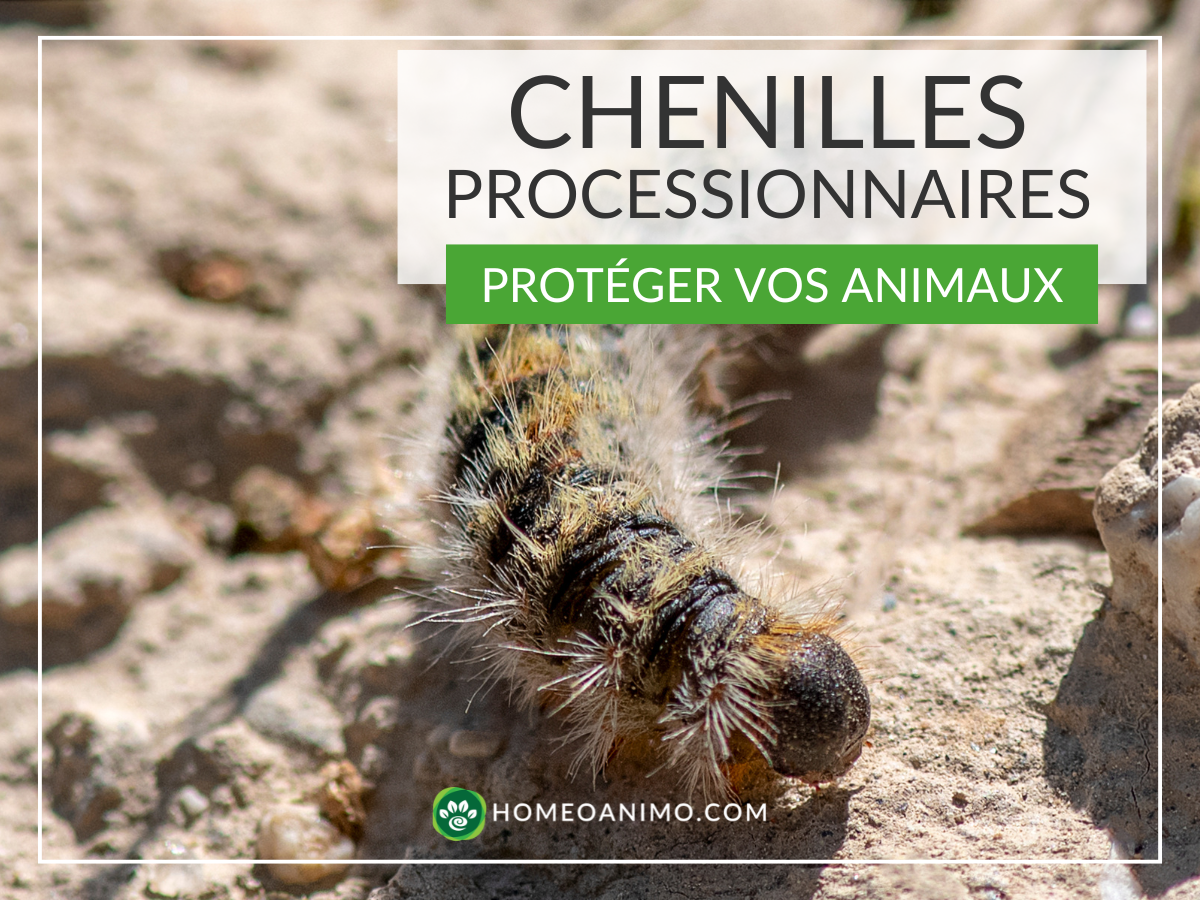
Processionary caterpillars: The complete guide to protecting your animals in 2026
Every year, with the return of warmer weather, a silent threat looms over our four-legged companions: the processionary caterpillar . Whether it infests pine or oak trees, its urticating hairs pose a real danger to dogs and cats.
In this guide, we explore how to identify them and how to respond with home remedies and natural treatments.
Article summary
- What is a processionary caterpillar?
- Periods of vigilance: Pine vs. Oak
- Signs and symptoms of a sting
- Serious dangers to animal health
- Emergency: When to consult a veterinarian?
- Natural remedies and first aid measures
- How to support healing naturally
- Black soap: Natural garden treatment
- Are dogs more at risk than cats?
- Safety: Should animals be kept indoors?
- Tips for safe walks
- Frequently Asked Questions (FAQ)
- Conclusion
⚠️ Caterpillar Emergency: Suspected contact?
Don't waste a second, rinse with water without rubbing and contact your veterinarian immediately.
What is a processionary caterpillar?
The processionary caterpillar is the larva of a moth. It can be recognized by its movement in single file. Their bodies are covered with thousands of urticating hairs loaded with thaumetopoein, a highly inflammatory toxin released at the slightest stress to the insect.
Since 2022, the pine and oak processionary caterpillar has been classified as "a species whose proliferation constitutes a threat to health" in the French public health code ( art. D.1338-1 ).
Pine or Oak: Which is the most dangerous time of year?
The danger depends on the type of caterpillar and your region, but here are the periods of maximum vigilance :
- Pine processionary caterpillar: It descends from its nest between January and May (depending on the mildness of the climate) to bury itself in the ground. This is the time when animals encounter them on the paths.
- Oak processionary caterpillar: It is mainly active between April and July . Unlike its cousin, it often stays on the trunk or branches, but its hairs can be carried by the wind.
What are the health risks for animals?

The danger arises through direct contact or simple inhalation. When a dog tries to play with them or a cat sniffs them, the hairs detach and become embedded in the skin or mucous membranes. The consequences can be dramatic:
- Necrosis of the tongue: The most frequent symptom that can lead to the loss of part of the tongue.
- Anaphylactic shock: A violent allergic reaction.
- Eye inflammation: Risk of blindness if the hairs touch the eyes.
- Edema: Rapid swelling of the lips and throat.
What are the signs and symptoms of a sting?
If your pet comes into contact with these insects, the reactions are almost immediate. Here are the signs and symptoms to watch for:
- Excessive drooling: The animal salivates excessively and seems uncomfortable.
- Swollen tongue: It can turn red, then purple, or even black (sign of necrosis).
- Frantic scratching: The animal rubs its muzzle with its paws.
- Breathing difficulties: In case of inhalation of hairs.
- Vomiting: If hairs have been ingested.

When should you consult a veterinarian in an emergency?
If your pet is drooling excessively, vomiting, or if its tongue turns purple, it's a life-threatening emergency . Time is your worst enemy: treatment within 2 hours significantly increases the chances of saving the tongue tissue. Do not rub the affected area, as this will break the hairs and release even more venom.
Is there an effective treatment available in pharmacies?
In pharmacies, you will often find antihistamines or soothing ointments. Calendula-based, but be careful: never give your pet human medication without professional advice . Pharmacy treatments are never a substitute for professional cleaning by a veterinarian. Homeopathic remedies in 9CH potency are often recommended to reduce swelling while waiting for treatment.
What are the natural remedies and home treatments in case of contact with a processionary caterpillar?

While veterinary intervention is essential, some home remedies or traditional remedies can help soothe the animal. affected by processionary caterpillars or to support its recovery in addition to medical care.
What first aid measures should be taken?
- Rinsing: The first home remedy is to rinse the mouth or skin thoroughly with clean water, without rubbing.
- Baking Soda: A paste of water and bicarbonate can be a useful home remedy to soothe irritations on the skin of the belly or paws by neutralizing the acidity of the toxin. Diluted in water, it can help rinse hair off the skin (not in the eyes!).
What natural remedies can support healing?
- Colloidal Silver : A powerful natural antibacterial agent to cleanse irritated areas and disinfect skin wounds without pricking.
- Manuka honey: An excellent natural antibacterial to help mouth tissues heal.
- Aloe Vera: For external use and in pure gel form, to soothe skin inflammation if contact has occurred on the body. Caution : Prevent your dog or cat from licking the gel applied to its skin by using a collar or bandage.
Black soap: an effective home remedy for the garden?

If you've spotted processions of caterpillars in your garden, there's a simple and eco-friendly solution to kill them before your animals get near them. Black soap is a valuable natural remedy for neutralizing the caterpillars mechanically.
How to prepare your anti-caterpillar mixture?
The dosage recommended by natural gardening experts is a 10% diluted solution. Here is the recipe for this natural remedy :
- 10% liquid black soap (preferably pure and without chemical additives).
- 90% lukewarm water to facilitate mixing.
How to use it safely?
Spray this mixture directly onto the caterpillars when they are on the ground or on the trunk. The black soap works by blocking the insect's respiratory pores (the spiracles), which quickly stops their progress.
Caution: Always wear gloves, goggles, and long clothing during this operation, as the stinging hairs remain dangerous even if the caterpillar is dead. Once finished, thoroughly rinse the area with water to remove any remaining airborne hairs.
Why are dogs more at risk than cats?
Although cats are just as vulnerable to the toxin, dogs are statistically more affected . Why? Because of their natural curiosity and their method of exploration. A dog will sniff, lick, or even try to catch the procession with its mouth. The cat, more wary, tends to observe from a distance or swat away, which sometimes limits direct contact with the oral mucosa.
Should I keep my pet indoors because of the caterpillars?

It's not necessary to keep your pet indoors all spring, but caution is advised. If you have pine or oak trees with visible nests in your garden, keep your pet inside on windy days (which scatter fur) and during periods when they are on the ground. For outdoor cats, try to limit their time in the woods during the critical months.
How to walk your dog safely?
During the procession period, adapt your habits:
- Keep him on a leash: Avoid letting him rummage in the bushes or under the conifers.
- Avoid high-risk areas: Favor parks without pine or oak trees during the spring.
- Inspect the ground: Learn to spot these "ropes" of caterpillars crossing the paths.
Frequently Asked Questions (FAQ)
Is the processionary caterpillar dangerous to humans?
Yes, stinging hairs cause skin rashes, severe itching, and respiratory problems in humans as well.
At what time of year are they most active?
The period of descent of the nests (the procession) generally takes place between February and May, depending on the region and the temperature.
How do I get rid of a nest in my garden?
It is strongly advised against doing this yourself. Call in a professional who will use eco-traps or carry out a safe removal.
Does vinegar work on caterpillar hairs?
No, vinegar can sometimes worsen the irritation. It's better to rinse with clear water or very mild soapy water.
Does the cold kill caterpillars?
They withstand the cold very well thanks to their silken nests. It is mainly the warming that makes them come down from the trees.
Conclusion
Processionary caterpillars shouldn't ruin your outdoor moments. By remaining vigilant during their ground processions and acting quickly with the right reflexes, you can protect your pet's life. Remember that combining emergency medicine with supportive natural care offers the best results for a full recovery.
If you're concerned that your pet might be suffering from a health problem, our Free Pet Health Consultation can help. In addition to receiving advice and recommendations from our Natural Health Consultants, they will also guide you through the products and treatment options best suited to your pet's health needs.
Sources and expert resources consulted
To guarantee the reliability of our advice, we rely on official sources and international veterinary authorities:
- Légifrance : Official classification of the processionary caterpillar as a threat to public health.
- ANSES : Technical sheet on life cycles and periods of vigilance.
- American Kennel Club (AKC) : Safe use of baking soda to soothe irritations in dogs.
- VCA Animal Hospitals : Studies on the antibacterial properties of honey in topical use.
- Gerbeaud : Natural gardening guide for using black soap against insects.

 Denyse Lessard




Leave a comment
This site is protected by hCaptcha and the hCaptcha Privacy Policy and Terms of Service apply.