
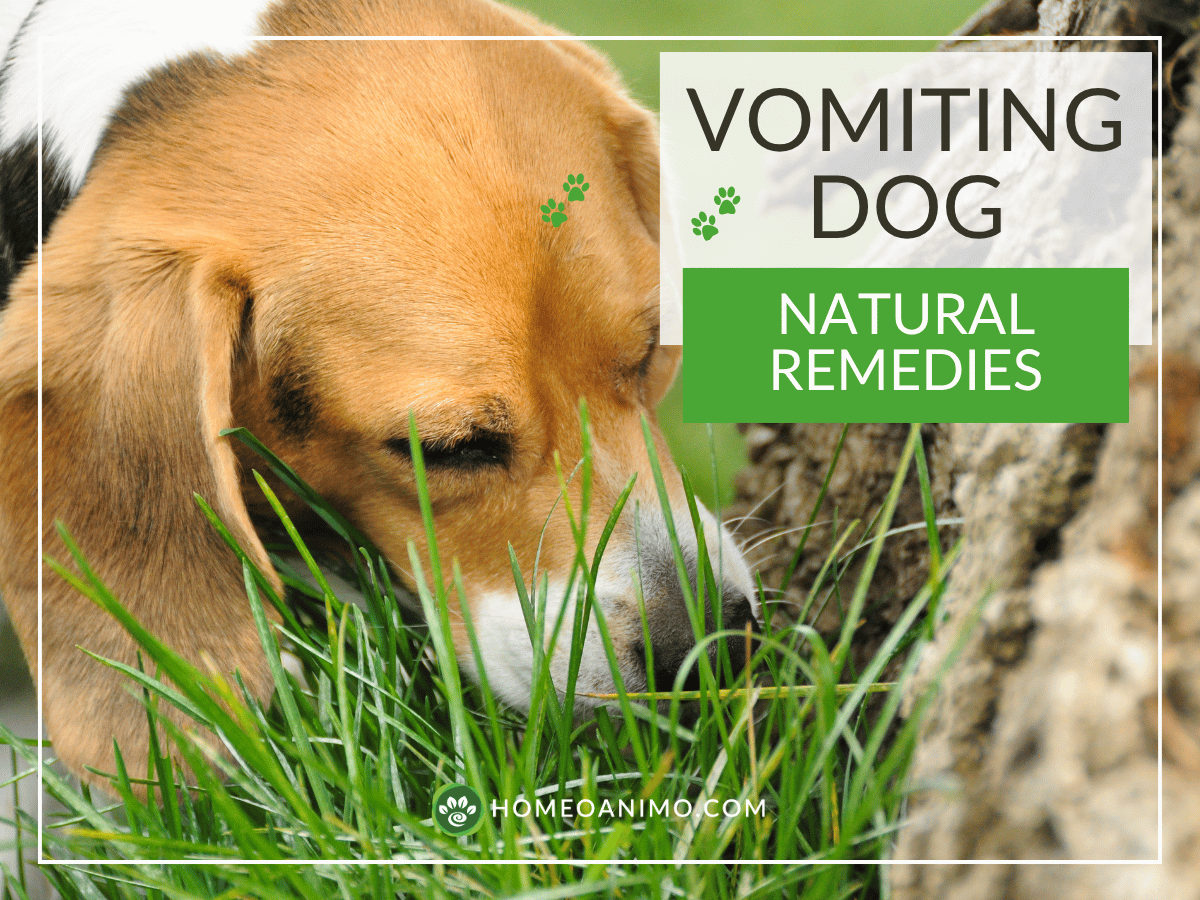
Vomiting Dog: 8 Natural Remedies to Soothe Him! 2026
Vomiting in dogs is a common problem that can affect all types of dogs. Although often minor, it can also be a sign of a more serious underlying condition.
In this comprehensive guide, I will help you understand the possible causes, the symptoms to watch for, as well as the treatments and natural remedies to soothe your four-legged companion.
What is it?
Vomiting is the forceful ejection of stomach contents through the mouth. In dogs, it may occur after a period of nausea, where the animal licks its lips, pants, or feels uneasy. Vomiting can be a bodily defense mechanism to eliminate unwanted substances, such as spoiled food or toxins.
What can cause vomiting in dogs?

The causes of vomiting in dogs are varied. Among the most frequent are:
- Infections: bacterial, viral, or parasitic.
- Indigestion: ingestion of inappropriate food or undigested kibble.
- Ingestion of foreign objects: objects the dog accidentally swallows.
- Food poisoning: chemicals, medications, or toxic foods.
- Gastrointestinal problems: gastritis, acid reflux, or ulcers.
What are the symptoms associated with vomiting in dogs?
Symptoms associated with vomiting in dogs may include:
- Frequent vomiting
- Vomiting bile (yellow or greenish liquid)
- Vomiting white foam
- Vomiting accompanied by diarrhea
- Loss of appetite and lethargy
- Vomiting with blood present
- Signs of dehydration, such as skin that does not snap back after being pinched, dry gums, etc.

What are the conventional treatments for vomiting in dogs?
If vomiting persists or is accompanied by severe symptoms, it is advisable to consult a veterinarian. Conventional treatments often include anti-emetics and stomach protectants.
Anti-emetics for dogs are available in pharmacies in tablet or liquid form. These treatments help relieve symptoms by inhibiting the vomiting reflex.
Medications or over-the-counter products may be used, but must always be administered with caution and under the advice of a veterinarian.
Are there natural remedies to soothe my vomiting dog?

Natural remedies can offer a gentle and effective alternative to treat vomiting in dogs.
Here are 8 natural treatments that have shown their effectiveness in soothing symptoms, cleansing the stomach, or restoring balance:
Soothing the symptoms
1. Ginger
Ginger is a well-known natural remedy for its anti-nausea properties. It helps calm nausea and soothe the digestive system, which can be particularly useful when your dog suffers from vomiting. Ginger is also recognized for its anti-inflammatory and digestive effects, reducing gastric discomfort and promoting healthy digestion.
How to administer it: Ginger can be given in powder form or as fresh, finely grated root. A small amount (about 1/4 to 1/2 teaspoon) can be mixed into food or administered directly. It is important to start with a small amount to avoid any side effects.
2. White rice and boiled chicken
White rice and boiled chicken are a classic home remedy for dogs suffering from vomiting. This combination acts as a stomach protectant. It is easy to digest, helps calm the stomach, and provides nutrients without aggravating symptoms. White rice, which is low in fiber and easy to digest, helps "cleanse" the stomach, while boiled chicken provides a source of lean protein.
How to administer it: To prepare this remedy, cook well-boiled white rice without spices or oils, and boil skinless chicken. Serve the rice and chicken in small quantities (about 1/4 to 1/2 cup for a small dog, adjusted according to the dog's size) and observe your pet's reaction. If all goes well, you can gradually reintroduce their normal food.
3. Coconut oil
Coconut oil has anti-inflammatory and soothing properties that can also act as a stomach protectant and help reduce irritation in your dog's stomach. It also promotes digestion and can be useful for treating mild gastric issues, such as vomiting or indigestion. Coconut oil is also beneficial for your dog's intestinal health, particularly in case of intestinal flora imbalances.
How to administer it: You can mix about 1/4 to 1/2 teaspoon of coconut oil into your dog's food, depending on its size. Be sure to introduce it gradually to avoid any further digestive discomfort. For larger dogs, the quantity can be increased slightly, but it is important to follow the veterinarian's recommendations.
4. Chamomile
Chamomile is a soothing herb that can help calm your dog's stomach, reduce inflammation, and relieve stomach aches. It is also used to treat mild digestive disorders and reduce stress.
How to administer it: Chamomile can be given as a herbal tea. Steep a chamomile tea bag in hot water, then let it cool before giving it to your dog. A small amount (1 to 2 tablespoons for a medium-sized dog) can be administered 1 to 2 times a day.
Cleansing the stomach
5. Activated charcoal
Activated charcoal is a powerful absorbent used to eliminate toxins from the digestive system. It is very effective at absorbing chemicals, toxins, and undesirable food products that have been ingested, thus preventing them from entering the bloodstream. It can also help relieve vomiting by reducing stomach irritation.
How to administer it: Activated charcoal comes in powder or tablet form. If you choose the powder, you can mix it with a little water or wet food. It is important to consult a veterinarian before using activated charcoal, as improper use can lead to side effects.
Restoring balance
6. Digestive enzymes for dogs
Digestive enzymes are natural proteins that help break down food in the digestive system. They are particularly useful when your dog's digestive system has trouble digesting certain foods after a bout of vomiting. In addition to probiotics, they help repair the intestinal flora and optimize digestion, which can reduce the risk of future vomiting.
How to administer them: Digestive enzymes are available in tablet or powder form and can be added to food or mixed with water. It is recommended to follow the veterinarian's instructions to determine the appropriate dose according to your dog's size and specific needs.
7. Probiotics for dogs
Probiotics are beneficial microorganisms that help restore the balance of intestinal flora and improve digestion after a bout of vomiting. They can be particularly effective if vomiting has disrupted the dog's intestinal health, by supporting the growth of good bacteria in the gut and reducing inflammation.
How to administer them: Probiotics for dogs are available in tablet, capsule, or powder form. They can be added to your dog's food or mixed with a little water. As with digestive enzymes, it is important to consult a veterinarian to know which dose is most appropriate.
8. Hydration
Hydration is essential for dogs that are vomiting, as they lose not only fluids but also vital electrolytes. Hydration helps maintain your dog's vital functions.
When a dog loses fluids due to vomiting, it risks becoming dehydrated, which can lead to a decrease in appetite, muscle weakness, and kidney problems if the dehydration persists for too long. In addition, sufficient hydration allows the body to recover more quickly, digest food better, and restore energy levels.
Discover tips below to encourage your dog to drink more water…
How to hydrate a dog that is vomiting?

Here are 5 tips to encourage your dog to drink more water:
1. Offer small amounts frequently
Instead of giving them a large bowl of water all at once, offer small amounts every 15 to 30 minutes. This ensures their stomach is not overwhelmed all at once and reduces the risk of further vomiting. You can start by offering them a tablespoon of water, then gradually increase the amount as their condition improves.
2. Offer flavored water
If your dog refuses to drink plain water, try flavoring it slightly to stimulate their appetite. You can add a little low-sodium chicken or beef broth to the water to make it more appealing. Ensure it does not contain onions, garlic, or other ingredients toxic to dogs. Broth helps maintain hydration while providing a pleasant taste.
3. Use a syringe without a needle
If your dog refuses to use a bowl, a syringe (without a needle) can be used to gently administer water. This allows you to control the amount of water they receive without them having to drink independently. Hold the syringe to the corner of their mouth and apply gentle pressure to let the water flow slowly into their mouth, without causing them to choke.
4. Give ice cubes or ice chips
Some dogs find it easier to lick ice cubes than to drink liquid water. You can offer your dog a small ice cube or let them lick an ice chip from time to time to encourage them to stay hydrated. Ice cubes help with rehydration while being easier to ingest for a dog that feels nauseous.
5. Use oral rehydration solutions for dogs
In cases where your dog refuses to drink water, you can offer them oral rehydration solutions specifically designed for animals. These solutions contain electrolytes that help restore fluid balance and maintain proper bodily function. They are available at veterinary pharmacies and can be administered in small quantities, just like flavored water.
These practical tips should help you encourage your dog to drink more water, thus promoting their recovery.
When to worry when your dog is vomiting?
It is normal for your dog to vomit occasionally, but certain situations require special attention:
- Persistent or repeated vomiting
- Vomiting blood or bile
- Vomiting accompanied by severe diarrhea or lethargy
- If your dog stops eating and stays lying down all day
- In case of vomiting after ingesting a toxic product
In these cases, it is essential to consult a veterinarian quickly.
When to consult a veterinarian for a stomach lavage?

If your dog has ingested a highly toxic substance, such as chemicals, poisonous plants, or dangerous foods like chocolate, it is imperative to consult a veterinarian immediately.
In these cases, a veterinarian can perform a gastric lavage under anesthesia to eliminate toxins more quickly and prevent them from reaching your dog's bloodstream.
Veterinarians also use powerful anti-nausea medications to control severe vomiting and help stabilize your dog. If you suspect food poisoning or if the vomiting is accompanied by other serious symptoms, it is crucial to act quickly.
Do dogs eat grass to make themselves vomit?

Some dogs may eat grass to induce vomiting when they feel digestive discomfort. Blades of grass can irritate the stomach lining, which stimulates the vomiting reflex. This can be a way for them to rid their stomach of unwanted substances, such as undigested food or toxins.
Can grass really cause a dog to vomit?
It is true that some studies suggest that dogs who eat grass may sometimes vomit shortly after, but it is not systematic. Research on this subject shows that while grass consumption can cause vomiting in some dogs, it is not a general rule. In fact, a study showed that only about 25% of dogs that eat grass vomit afterwards.
The precise reasons why some dogs vomit after eating grass remain unclear, but it seems to be related to the texture and length of the grass, as well as the quantity ingested.
If your dog eats grass but does not vomit, this should not be a problem unless they show other worrying symptoms, such as loss of appetite, lethargy, or abdominal pain.
Eating grass is a natural behavior for many dogs, and while it may sometimes lead to vomiting, it is generally not a cause for concern. If your dog eats grass regularly and vomits frequently, it may be helpful to consult a veterinarian to check their digestive health.
Conclusion
Vomiting in dogs can be caused by diverse factors ranging from mild indigestion to more serious disorders. If the vomiting is occasional, natural remedies can be effective in relieving your dog. A natural treatment, when properly administered, can help restore your dog's digestive comfort in a gentle and natural way.
However, it is essential to consult a veterinarian if symptoms persist or if worrying signs appear.
If you are worried that your animal is suffering from a health problem, our Free Animal Health Recommendation can help you. In addition to obtaining advice and recommendations from our Natural Health Advisors, they will also guide you through the products and treatment options that best suit your pet's health needs.
External sources
- PubMed - Anti-nausea properties of ginger
- PMC (NCBI) - Nutritional and digestive benefits of rice
- PMC (NCBI) - Benefits of chamomile for soothing the stomach
- PMC (NCBI) - Properties of activated charcoal in the digestive system
- ResearchGate - Study on dogs that eat grass

 Denyse Lessard









2 comments
Merci Martine de nous avoir contactés au sujet de votre chien. Nous vous revenons rapidement à son sujet via un email :)
HomeoAnimo. com
HomeoAnimo
Je suis pour les plante concernant les pipettes antitiques mon petit chien 🐕 il supporte pas et une réaction à se gratter j ai du l emmener chez le veto.piqure et produit dans les oreilles pour calmer.la il a le pelage sec.aurriez vous un spray à base de plante.merci de votre réponse.
Martine
Leave a comment
This site is protected by hCaptcha and the hCaptcha Privacy Policy and Terms of Service apply.