
My cat has a heart murmur: what is it? Can I treat it naturally? 2025
You will probably agree with me if I tell you that the heart is one of the most important organs in the body!
It is the engine of our machine, the pump that allows blood to circulate in our body and is therefore responsible for the efficient transport of the oxygen we breathe to the cells of our body.
Animals, just like us, can have what's called a heart murmur. As the name suggests, it's a subtle, wind-like sound between heartbeats, audible with a stethoscope, of course.
"My cat has a heart murmur, is it serious?"
By reading the following, you'll learn more about what causes a heart murmur in cats. I'll also describe the life expectancy of a cat with a heart murmur, as well as the symptoms, grades, and possible natural and conventional treatments.
As an animal health technician, I've heard heart murmurs several times when taking vital signs of dogs and cats during their veterinary examination. Every case is different, of course, but I'm happy to share my experiences here with you.
Read on to learn more about heart murmurs in cats.
What is a heart murmur in cats?
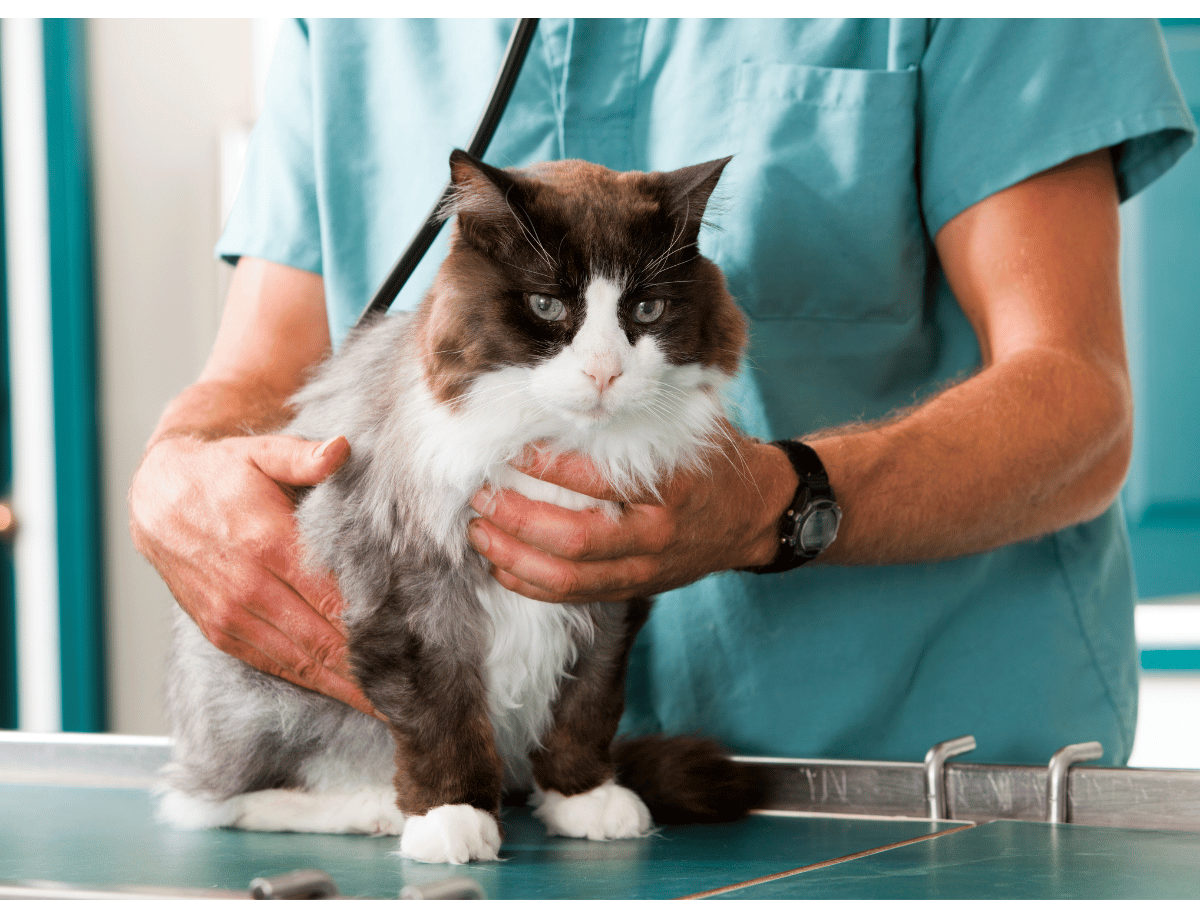
A heart murmur is actually the sound of vibrations, caused by the turbulent flow of blood through the valves and vessels in the heart.
A heart murmur may be associated with an anatomical abnormality of the heart (pathological heart murmur), but in cats, a high percentage of individuals with a heart murmur do not have a structural abnormality of the heart as such. This is called a physiological murmur.
It is very difficult to diagnose heart disease simply by auscultating the heart with a stethoscope by a veterinarian. The location of the murmur and its grade can certainly provide a clue, but more in-depth investigations are usually necessary to establish a diagnosis of heart disease.
To make matters more complicated for our veterinarians, some animals can even suffer from heart disease without having a heart murmur.
What causes a heart murmur in cats?
As mentioned above, there are pathological heart murmurs and physiological heart murmurs .
Pathological murmurs are directly related to a deformation of a structure of the heart, whereas physiological murmurs can be the consequence of a multitude of physiological processes.
Pathological heart murmur
The most common structural heart disease in cats, which usually results in a heart murmur, is hypertrophic cardiomyopathy. To give you a very layman's definition of this disease, the muscles of the cat's heart thicken, making it harder for the heart to pump blood from its vessels, as it can no longer contract and relax normally.
A genetic cause of this disease is suspected. In fact, several genetic mutations have been identified as responsible for the development of this disease. The cat breed most affected by heart murmurs is the domestic shorthair cat.
Other heart conditions can also be present in our kitties, from birth or developing later, but these are less common. A murmur doesn't always mean heart disease. Read on to understand.
Physiological heart murmur
This type of heart murmur can occur at any age in cats. A physiological murmur may be secondary to a disease such as hypertension, hyperthyroidism, anemia, or may simply be “innocent.”
I've often heard of the "innocent" heart murmur in young kittens during their first veterinary examination. It's so named because it's quite common and harmless.
Because of their small size (and therefore the small size of their blood vessels), blood is pumped by the kitten's heart at high speed in a very small space, which creates a mechanical noise, a murmur.
Additionally, kittens are often stressed during their first veterinary exam, so their heart rate is elevated. This increases the volume of blood to be pumped, increasing the chances of hearing such a murmur. This type of heart murmur in a kitten is not serious and usually disappears on its own around 3 to 5 months of age.
The different grades of heart murmur in cats

The intensity of the murmur is generally rated by a grade between 1 and 6, with 1 being the most subtle and 6 the most severe.
This grade can serve as a reference to assess the severity of heart disease if it occurs, but several factors should be considered in the diagnosis.
To differentiate a grade 2 from a grade 3 or grade 4 heart murmur in cats, the veterinarian must have a good ear, as they can be difficult to assess.
Symptoms of Heart Murmur in Cats
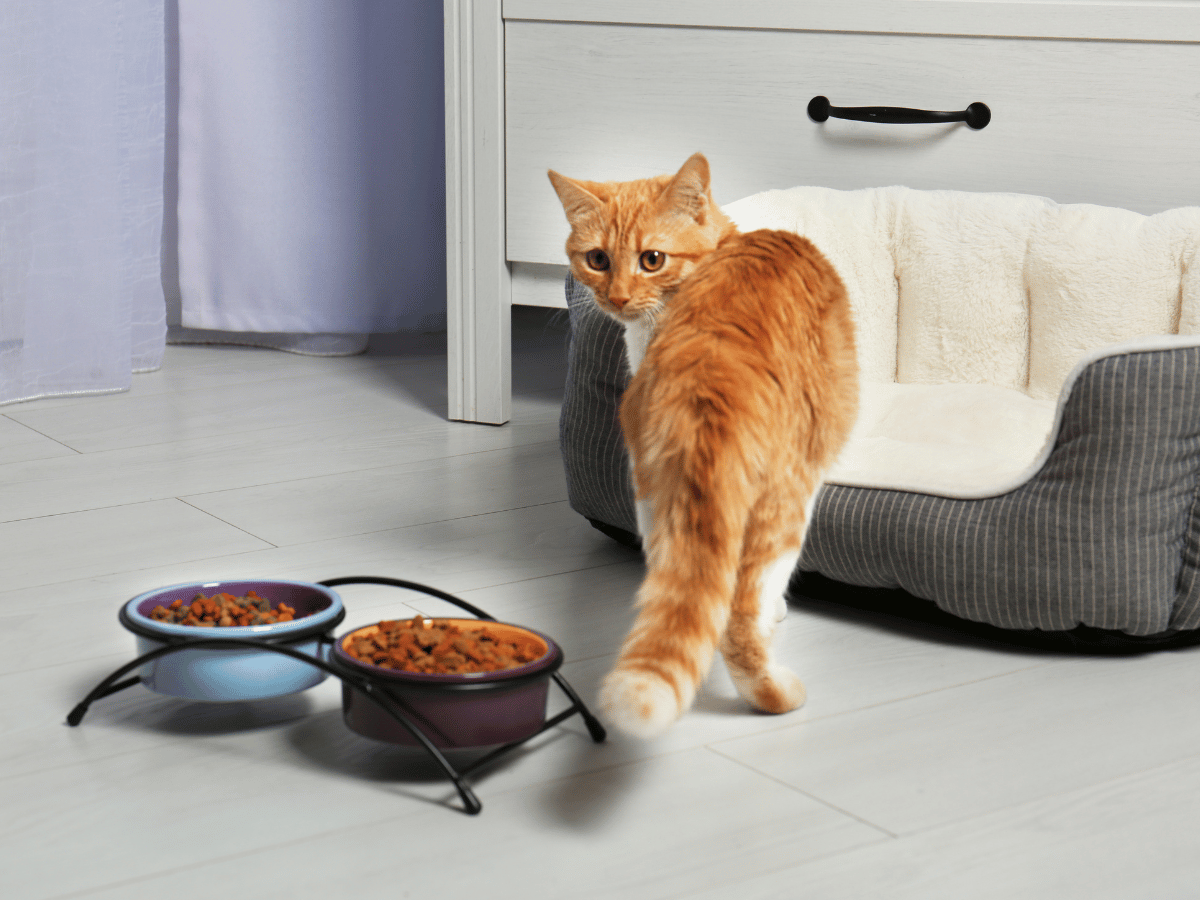
You've probably figured out that the symptoms of a heart murmur in cats vary depending on the cause. An innocent murmur will have no symptoms.
A cat with hyperthyroidism and a murmur will be more active than normal, lose weight, and have a dull coat. A cat with a murmur caused by anemia will have pale mucous membranes.
When it comes to pathological murmur caused by structural heart disease, such as hypertrophic cardiomyopathy, here are the symptoms to watch for:
- Increased respiratory rate
- Loss of appetite
- Respiratory distress
- Cough
It should be noted that cats hide their illness very well and may not show any signs!
Heart murmur in cats: life expectancy
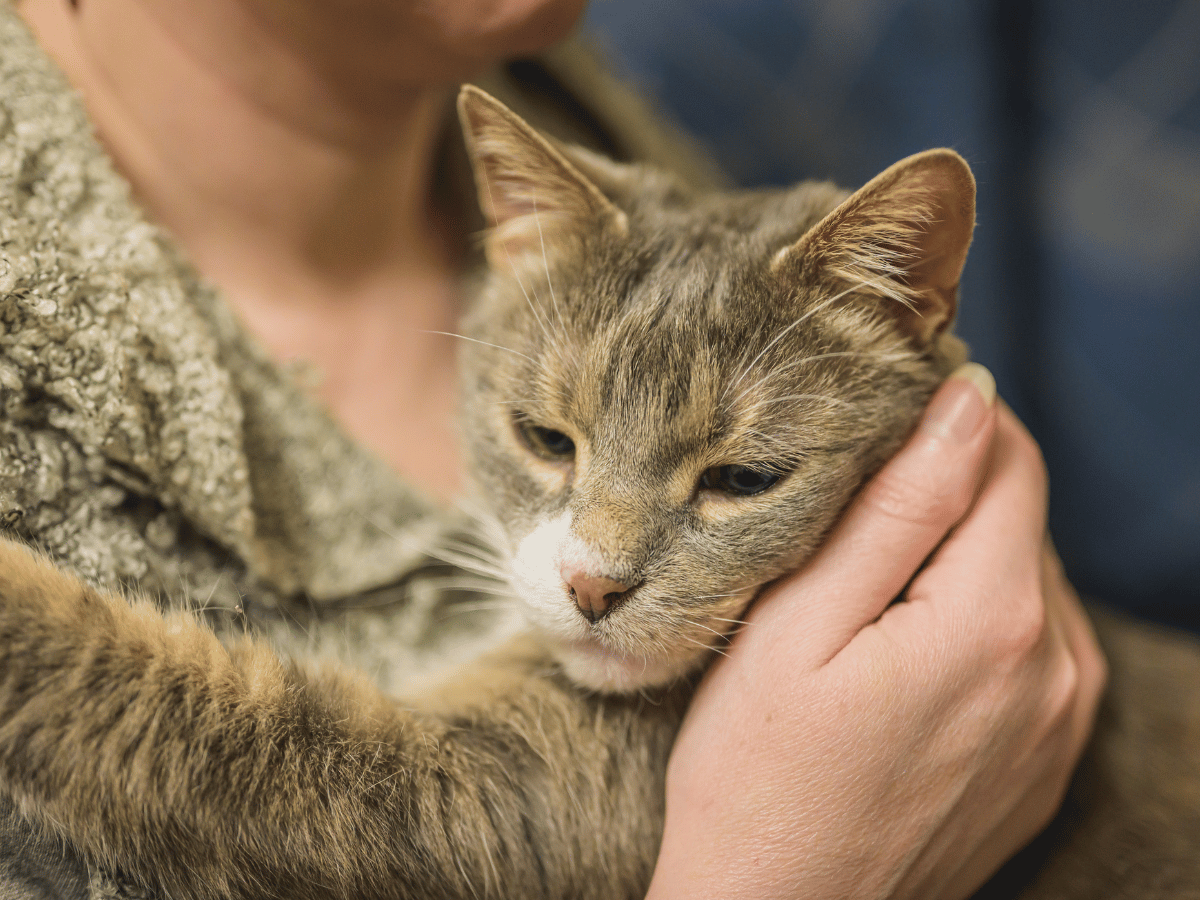
The life expectancy of a cat with a heart murmur varies depending on the nature of the heart murmur, and can range from a few months to a few years.
For example, if your cat has a heart murmur related to hyperthyroidism, treating this primary condition may partially or completely resolve the associated heart condition.
If your cat has hypertrophic cardiomyopathy, their life expectancy also depends on several factors. That said, there is no cure for this disease, only supportive treatments. The prognosis is therefore less favorable.
This heart disease can progress rapidly over a period of months, whereas for other cats it can develop slowly over several years.
It is difficult to give an accurate life expectancy for this heart problem in cats. Some cats that show no symptoms may also die suddenly from this disease.
For cats with only mild heart enlargement, life expectancy can be several years. When the disease is more severe, the risk of developing congestive heart failure is higher and the prognosis is poorer. At this stage, life expectancy is between 12 and 18 months.
There is also the less common risk of thromboembolism, secondary to this disease. This is the formation of a clot that often presents as paralysis of the hind legs. The prognosis for this complication is also poor.
Treatments for heart murmurs in cats

As discussed above, to treat a heart murmur in cats, you must first investigate the cause of the heart murmur. For an innocent physiological murmur, there is nothing to be done; it should fade over time.
A murmur caused by hypertension, hyperthyroidism, or anemia can be controlled by treating that condition first. For structural heart disease, treatments are more complex.
There is no cure for hypertrophic cardiomyopathy. However, certain medications can be tried to improve life expectancy and quality of life.
I am thinking of medications to relax the heart muscles, to treat secondary congestive heart failure and to prevent the formation of clots and thus reduce the risk of thromboembolism.
How to naturally treat a heart murmur in your cat at home?
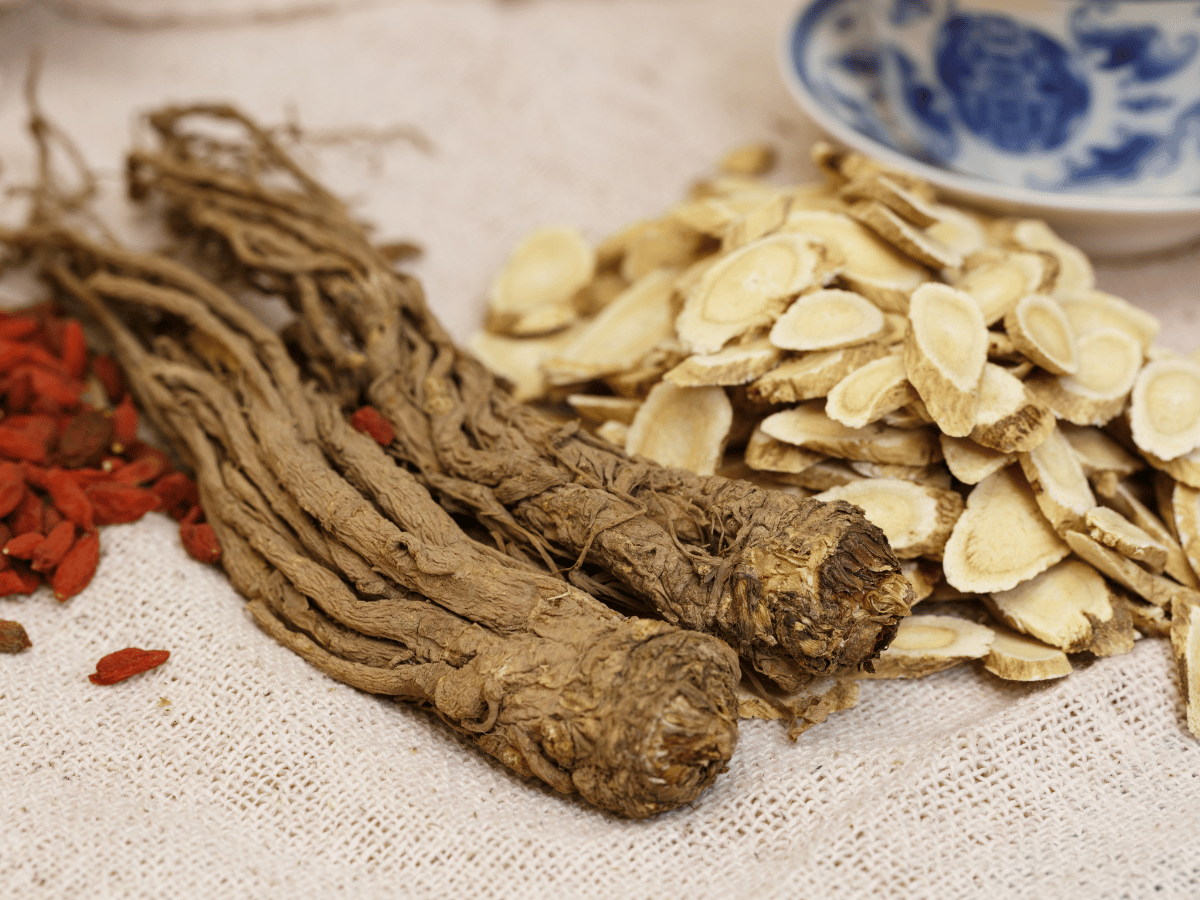
There are several natural treatments that can complement traditional medical treatment for a cat suffering from heart problems, such as a heart murmur.
It should be noted that these natural treatments or remedies are not substitutes for professional veterinary care, but can help improve your cat's quality of life:
- Healthy Diet : A healthy, balanced diet is essential for your cat's overall well-being. Cats with heart problems would benefit from a low-salt diet to help control blood pressure.
- Dietary supplements : Certain dietary supplements, such as the amino acid taurine, are essential for heart health in cats. Other supplements, such as omega-3s, may also be beneficial.
- Regular exercise : Regular moderate exercise can help strengthen your cat's heart muscle. However, it's important not to overexert your cat.
- Stress management : Reducing stress can also help prevent the worsening of heart problems in cats. Create a calm and safe environment for your cat.
- Natural Herbs : Certain herbs, such as hawthorn and astragalus, can be used as a natural treatment to support heart function.
Always consult your veterinarian before adding natural remedies to your cat's treatment regimen.
Conclusion
Now you know what a heart murmur in cats is and what natural treatments to use. We're here for you if your cat has a heart murmur and you have questions. We understand how stressful it can be to learn that our precious companions are suffering.
Does your cat have a heart murmur? Do you know the cause? Share their story with us in the comments below.
For personalized advice from one of our natural animal health professionals, please contact us .
If you're concerned that your pet may be suffering from a health issue, our Free Pet Health Referral can help. In addition to receiving advice and recommendations from our Natural Health Advisors, they'll also guide you through the products and treatment options that best suit your pet's health needs.
 Véronique Fournier




19 comments
Leave a comment
This site is protected by hCaptcha and the hCaptcha Privacy Policy and Terms of Service apply.