
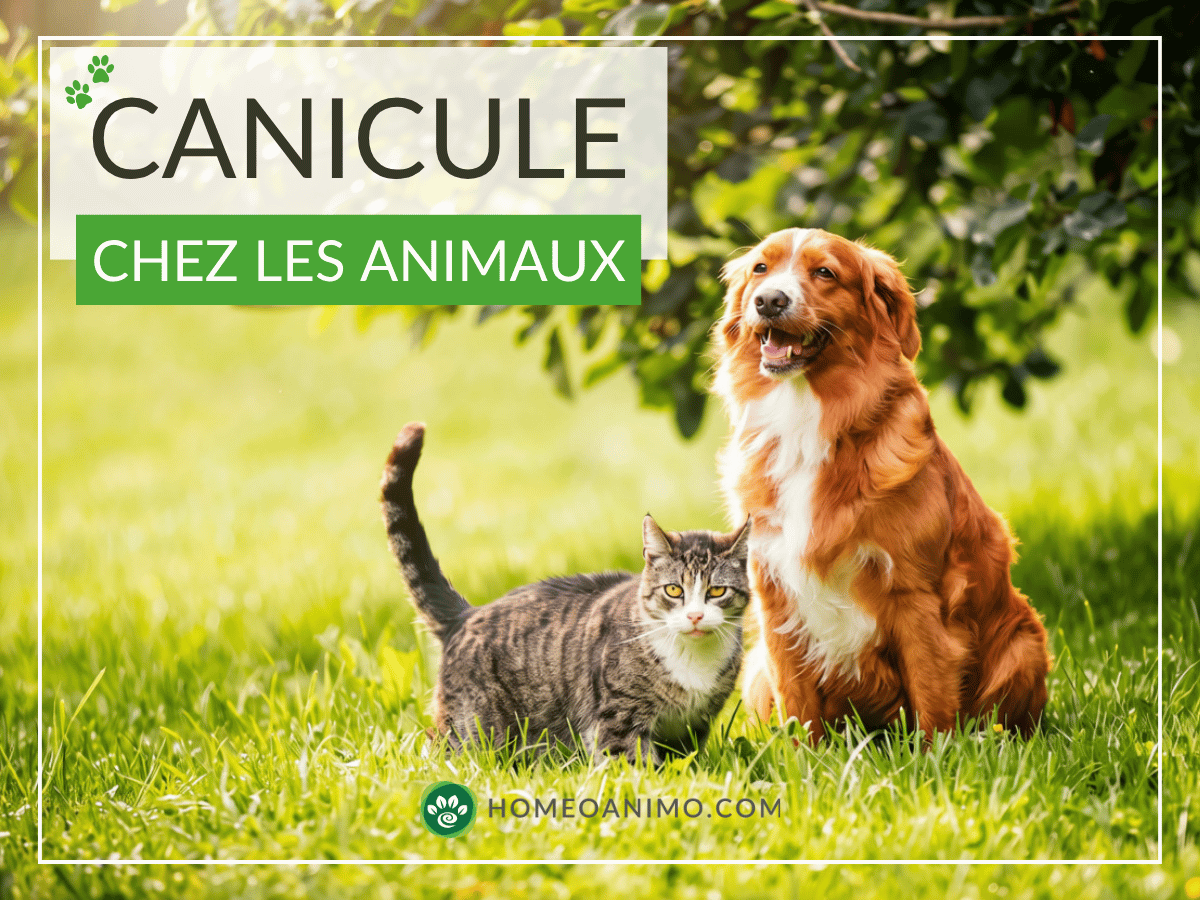
Heatwave and heatstroke in animals: advice, first aid, and natural remedies
When temperatures soar and a heatwave settles in, the suffocating heat poses a direct and sometimes fatal danger to our dogs and cats. As an owner, seeing your dog heavily panting in the middle of the living room or observing your cat seeking coolness causes legitimate anxiety. Our pets do not regulate their body temperature like we do, making them particularly vulnerable to heatstroke.
Click to learn more: 👉 Protect your dog and cat from heatstroke with our HEATWAVE SELECTION ☀️🐾
In this comprehensive guide, we put ourselves in your shoes to explore daily life with a dog or cat during a heatwave: how to identify signs of distress, first aid actions, deadly pitfalls to avoid, and which natural treatments to choose to support your four-legged companion's body.
*Important: Heatstroke in dogs and cats is a vital veterinary emergency.
Why do our dogs and cats suffer so much from the heat?
Unlike humans who regulate their body temperature by sweating all over their skin, dogs and cats have a very restricted thermoregulation system.
Dogs only sweat very lightly through their paw pads and primarily rely on panting to dissipate heat through water evaporation via the mouth and respiratory system. Cats also sweat through their paw pads (podal sweat glands), but they mainly regulate their temperature by frequently licking themselves: the evaporation of their saliva on their fur creates a natural cooling effect.
However, when the ambient temperature becomes extreme, these two mechanisms become insufficient. The internal temperature of a dog or cat can then quickly exceed 40.5 °C (whereas the normal temperature is 38.6–38.9 °C), leading to a risk of organ failure.
What are the symptoms and warning signs of heatstroke in dogs and cats?

Experiencing a heatwave with your dog or cat requires constant observation. High heat can put your companion in distress without warning. Be particularly attentive to the following signs:
- Excessive panting in dogs (or abnormal panting in cats): A cat breathing with an open mouth is often in a very advanced state of heat stress.
- Profuse salivation: Thick or sticky drool around the mouth in dogs and cats.
- Red or very pale gums: An alteration in the color of the mucous membranes due to poor blood circulation.
- Lethargy and disorientation: The dog or cat appears confused, refuses to get up, or lacks coordination.
- Vomiting and diarrhea: Frequent reactions due to severe heat stress.
- Tremors or loss of consciousness: Critical phase requiring immediate emergency veterinary consultation.

First aid for heatstroke in dogs or cats

If you suspect your dog or cat is suffering from heatstroke, every minute counts. Before and during your journey to the emergency veterinary clinic, immediately apply these vital first aid steps:
- Immediately remove the animal from the heat source: Place your companion in the shade, ideally in an air-conditioned room or one well-ventilated by a fan.
- Cool gradually: Never use ice water or an ice bath, as this causes vasoconstriction of peripheral blood vessels and traps heat in the core of the body. Instead, apply cool, wet towels to the head, neck, armpits, groin, and paw pads. You can also pour cool water directly onto their body, combining it with a fan to promote evaporation.
- Offer cool water without forcing: Keep cool (not iced) water within reach, but never force a lethargic or semi-conscious animal to drink to avoid any risk of aspiration (inhaling into the lungs).
- Monitor internal temperature (if possible): If you have a rectal thermometer, measure their temperature. Once the temperature reaches approximately 39.5 °C (103 °F), immediately stop passive cooling to avoid the opposite effect: hypothermia.
- Emergency transport to the veterinarian: Even if your dog or cat seems to recover after cooling, take them for a consultation immediately. Serious complications (cerebral edema, kidney failure, coagulation disorders) can occur several hours after the hyperthermic episode.
Source: Veterinary Partner - Hyperthermia (heat stroke): First aid
Deadly pitfalls to avoid for your dog and cat during a heatwave
Even with the best intentions, some daily pitfalls can be tragic for our pets:
-
Car parked in the sun: In just 10 minutes, the interior temperature of a vehicle can rise by more than 10 °C, transforming the cabin into a death trap for a dog or cat, even with the windows slightly open.
Source: American Veterinary Medical Association (AVMA) - Pet safety in vehicles - Burning asphalt and bitumen: The ground absorbs heat and can reach over 60 °C in the sun, causing severe burns to a dog's paw pads during walks. Apply the 7-second rule with the back of your hand to check the ground temperature.
- Physical exercise in the middle of the day: Avoid games, runs, or long outings for your dog between 10 AM and 6 PM.
- At-risk breeds (Brachycephalic): Dogs and cats with flattened muzzles (Bulldogs, Pugs, Boxers, Persian cats) or elderly, overweight, or cardiac companions have reduced respiratory capacity and are much more vulnerable to heatstroke.
How to cool and protect your dog and cat daily?
To get through these heatwaves safely, adapt your dog's and cat's habits:
- Continuous hydration: Leave several bowls of fresh water available in the house. To encourage your cat to drink, use a water fountain or add a little salt-free broth.
- Cool and ventilated spaces: Provide cooling mats or allow access to tiled floors so your dog or cat can lie there.
- Gentle humidification: Gently wet your dog's paw pads, paws, and belly with a damp towel (avoid ice water to prevent thermal shock). For a cat, run a slightly damp hand or glove over its fur.
- Adapted walks for dogs: Go out very early in the morning or late in the evening when the outdoor temperature drops.
Natural remedies: How to help your pet's body during high temperatures?

In the face of heatwave temperatures, the dog and cat's body undergoes significant oxidative stress, a risk of dehydration, and sustained cardiovascular fatigue. Targeted natural solutions help strengthen their internal resistance.
1) ELECTROLYTES AND CELLULAR HYDRATION: Preventing dehydration in dogs and cats
During panting or sweating through the paw pads, dogs and cats eliminate water as well as essential minerals (potassium, sodium, magnesium). A supply of trace elements helps maintain the osmotic balance of cells and prevents heat exhaustion.
Source: American Kennel Club (AKC) - Dehydration in Dogs: What to Know
2) ADAPTOGENIC PLANTS AND CARDIAC SUPPORT: Protecting the heart during a heatwave
The cardiovascular system of dogs and cats works overtime to dissipate body heat. Adaptogenic plant extracts and natural vascular tonics (like hawthorn) promote better blood circulation and support cardiac function during high temperatures.
Source: National Institutes of Health (NIH) - Veterinary Herbal Medicine: A Systems-Based Approach
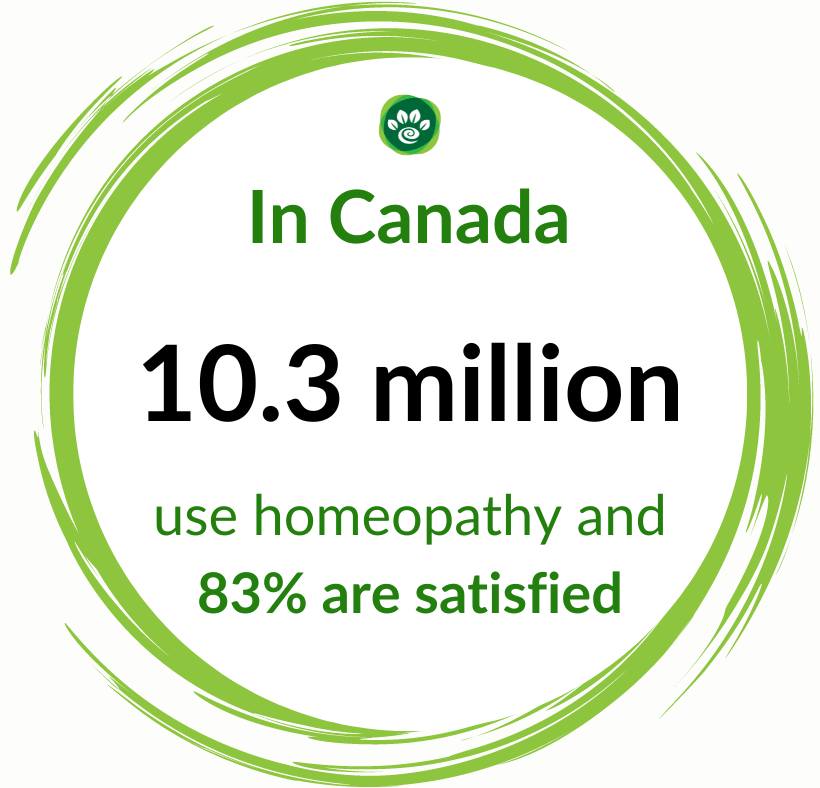
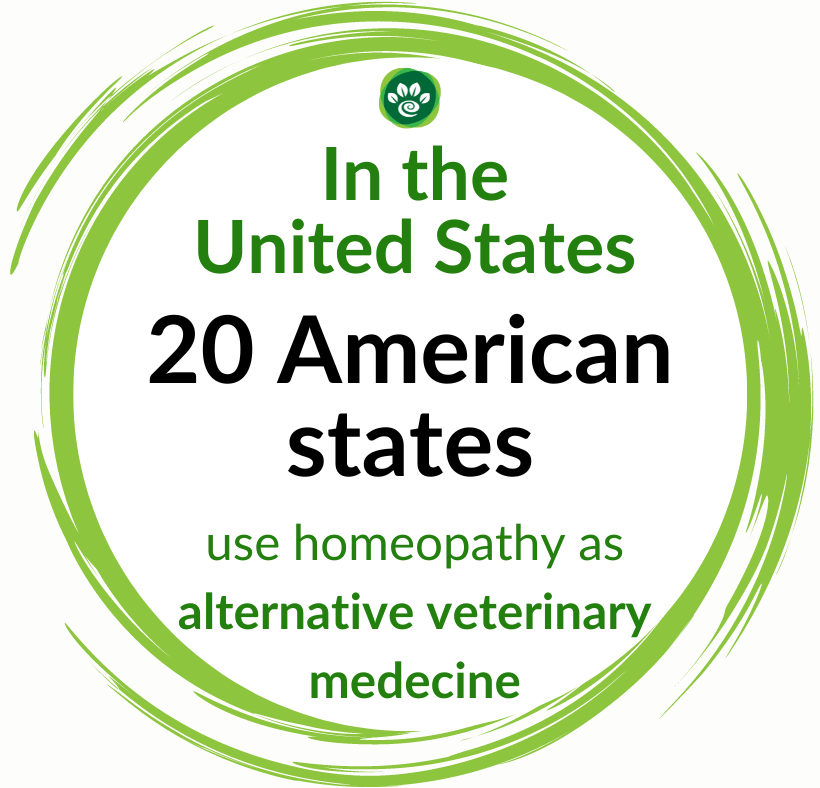
3) HOMEOPATHY: A gentle approach to heat stress
Homeopathic treatments developed for high temperatures help your dog or cat's body adapt to climatic variations without burdening their digestive or renal system.
Our natural solution: Heatwave Selection

Offer optimal protection to your companion with our Heatwave Selection
Our homeopathic formula Heatwave Selection has been specially developed by our animal health experts to support circulation, maintain hydration, and help your dog or cat's body better withstand high temperatures.
- Helps regulate body temperature and support the cardiovascular system
- Supports hydration and prevents heatstroke in dogs and cats
- Reduces stress and fatigue associated with heatwave temperatures
EXPERIENCE
Louise V.
⭐ ⭐ ⭐ ⭐ ⭐
"A truly Quebec company that, through its naturopathy and homeopathy professionals, greatly contributes to helping heal our animals with a gentle and, above all, very effective science!! Bravo"
FAQ - Your questions about heatwaves with a dog or cat
Can I shave my dog or clip my cat to keep them cooler?
Be careful! The coat of dogs and cats (especially the undercoat) acts as thermal insulation against heat and protects the skin from UV rays. Regular brushing to remove dead hair is preferable to shaving, unless specifically recommended by a veterinarian.
Is my cat also at risk of heatstroke?
Absolutely. Even if cats sometimes seek out warm places, they are susceptible to dehydration and heatstroke, especially elderly, long-haired cats, or those living in apartments without air conditioning or drafts.
What should I do immediately if I suspect heatstroke in my dog or cat?
Immediately place your dog or cat in the shade in a cool, ventilated area. Apply towels dampened with lukewarm/cool (never icy) water to their paws and belly, then urgently consult a veterinarian.
Conclusion: Act with vigilance and kindness
Heatwaves are a delicate period for our dogs and cats, but simple actions, careful observation, and appropriate natural support make all the difference. By preparing your home and being alert to the slightest signs, you allow your faithful companion to get through the summer with peace of mind.
If you would like personalized advice for your companion during hot weather, our team of animal health experts is here to help:
Need tailored support for this summer?
Get my free recommendationSources and References
To ensure the scientific reliability of the advice presented in this guide, we rely on leading veterinary organizations and medical publications:
-
On thermoregulation, first aid, and heatstroke:
- On dehydration and cardiovascular support:

 Denyse Lessard



Leave a comment
This site is protected by hCaptcha and the hCaptcha Privacy Policy and Terms of Service apply.